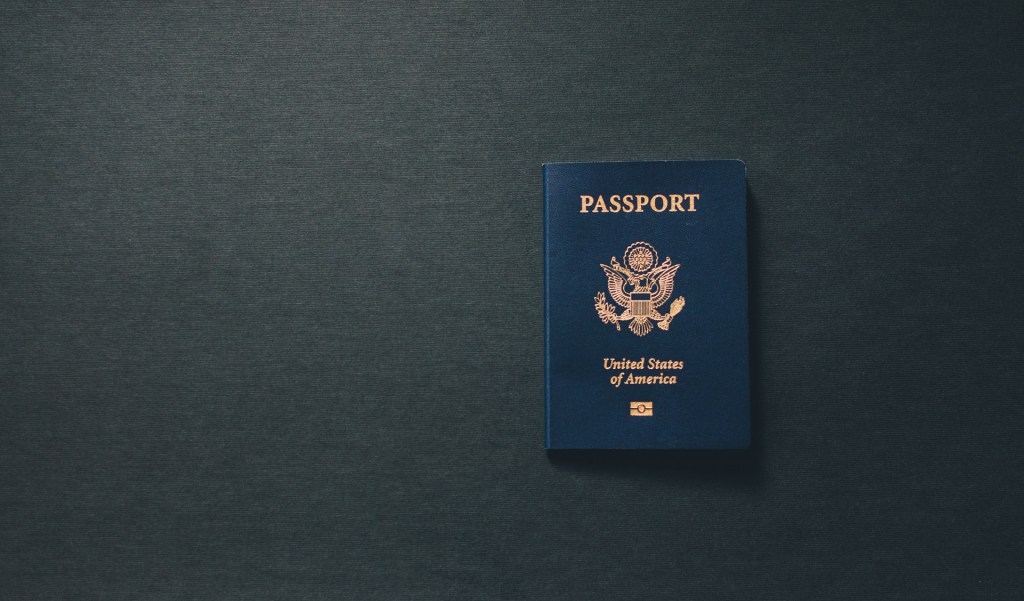
Expanding into Vietnam has become a strategic move for many American businesses. Whether you’re attending meetings in Ho Chi Minh City, visiting manufacturing partners in Binh Duong, exploring investment opportunities in Hanoi, or negotiating supply contracts across multiple provinces, entering Vietnam with the right visa is one of the first steps toward a successful business trip.
Many U.S. travelers assume that obtaining a Vietnam business visa involves extensive paperwork or requires sponsorship documents from the very beginning. Others worry that choosing the wrong visa type, entering incorrect passport details, or selecting the wrong entry option could delay an important trip.
The reality is much simpler than many people expect. Eligible U.S. passport holders can apply online for a Vietnam e-visa that is valid for up to 90 days. However, while the application process is straightforward, accuracy is critical. Even a small mistake in your passport information or travel itinerary can result in unnecessary delays.
This guide explains how American citizens can prepare, apply for, and receive a 90-day Vietnam business visa with confidence. You’ll learn which visa option fits your travel plans, what documents you’ll need, how long the process typically takes, and what mistakes you should avoid before boarding your flight.
Is a 90-Day Vietnam Business Visa Available for U.S. Citizens?
Yes. U.S. passport holders who are outside Vietnam may apply for a Vietnam e-visa with a validity period of up to 90 days.
Depending on your travel schedule, you may request either:
- A single-entry visa
- A multiple-entry visa
The appropriate option depends on how you intend to travel during the validity period.
A 90-day business visa is commonly chosen by Americans who plan to:
- Meet clients or business partners
- Visit factories or production facilities
- Attend trade fairs or industry exhibitions
- Explore investment opportunities
- Conduct supplier audits
- Participate in commercial negotiations
- Travel between Vietnam and neighboring countries during one business trip
It is important to remember that a business visa authorizes entry into Vietnam for legitimate business activities. It should not be confused with a work permit or long-term employment authorization.
If your assignment involves working directly for a Vietnamese employer or receiving local employment income, additional immigration and labor requirements may apply.

Should You Choose a Single-Entry or Multiple-Entry Vietnam Business Visa?
One of the first decisions you’ll make during the application process is selecting the number of entries.
Many first-time travelers choose a single-entry visa simply because they only have one confirmed flight booked. However, that may not always be the best option.
A single-entry visa allows you to enter Vietnam once during its validity period. Once you leave the country, that visa generally cannot be used again.
A multiple-entry visa, on the other hand, offers greater flexibility. It allows eligible travelers to leave Vietnam and return again without applying for a new visa, provided the visa remains valid.
For many American business travelers, multiple entry becomes particularly useful when:
- Visiting several Southeast Asian countries during one trip
- Attending regional conferences
- Managing projects that require repeated visits
- Traveling between Vietnam and overseas headquarters
Rather than focusing only on your arrival date, consider your complete travel schedule before selecting your visa type.
Who Can Apply for a Vietnam 90-Day Business Visa?
Most U.S. citizens can apply as long as they satisfy Vietnam’s general immigration requirements.
Applicants should normally:
- Hold a valid U.S. passport
- Apply while staying outside Vietnam
- Have a genuine business purpose for visiting Vietnam
- Provide truthful personal and travel information
- Meet Vietnamese immigration regulations
Having a valid passport is one of the most important requirements.
Although travelers often hear about the “six-month passport validity rule,” it is always advisable to check your passport well before making travel arrangements to avoid unexpected issues during airline check-in or immigration inspection.
Does an American Need an Invitation Letter?
This is probably one of the most frequently asked questions.
The answer depends on the type of visa you are applying for.
If you’re submitting an online Vietnam e-visa application, the core requirements are generally straightforward. Most applicants only need:
- A valid passport information page
- A recent portrait photo
- Planned travel dates
- Your intended port of entry
- Accommodation or contact information in Vietnam
- Other personal information requested in the application
For many standard online e-visa applications, a Vietnamese company invitation letter is not automatically required.
However, certain business visa categories, employer-sponsored applications, or cases requiring additional verification may involve supporting documents such as invitation letters or sponsorship paperwork.
For this reason, it’s important to identify the correct visa category before gathering documents.
Documents You’ll Need Before Starting Your Application
One reason many American travelers appreciate Vietnam’s online visa system is that the document checklist is relatively short.
In most cases, preparing the following items before you begin will make the application process much smoother.
| Required Item | Notes |
|---|---|
| U.S. passport | Should remain valid throughout your trip |
| Passport information page | Clear color scan or photo |
| Recent portrait photo | Front-facing with good lighting |
| Planned arrival date | Should match your itinerary |
| Intended port of entry | Select carefully before submission |
| Vietnam accommodation or contact information | Hotel or business contact details |
| Additional supporting documents | Only if requested for your visa category |
Although the list is simple, every uploaded document should be easy to read.
Blurry passport images, cropped pages, or low-quality photos often create unnecessary delays because applicants are asked to submit corrected files.
Common Mistakes U.S. Travelers Make Before Submitting Their Visa Application
Interestingly, most visa delays are not caused by missing documents.
Instead, they usually result from small mistakes made while completing the application.
Some of the most common issues include:
- Entering a passport number incorrectly
- Selecting the wrong entry port
- Choosing single entry when multiple entry is actually needed
- Uploading a poor-quality passport scan
- Using an outdated passport
- Entering travel dates that don’t match the planned itinerary
- Accidentally reversing names or making spelling mistakes
Taking just a few extra minutes to review every field before submission is often enough to prevent these problems.
Step-by-Step Guide to Applying for a Vietnam Business Visa
Applying online is generally straightforward when you prepare in advance.
The process can be broken down into six practical stages:
Step 1: Decide which visa type best matches your business itinerary.
Step 2: Prepare your passport, photo, and travel details.
Step 3: Complete your online application.
If you’d rather avoid checking every requirement yourself or need your application reviewed before submission, you may also choose to apply through a professional visa service.
You can submit your application here:
Professional support can help verify your passport details, review travel information, identify common errors, and assist with urgent processing requests when appropriate.
Final approval remains the responsibility of the Vietnamese immigration authorities.
Step 4: Wait while your application is reviewed.
Step 5: Download your approved e-visa and verify every detail carefully.
Step 6: Travel to Vietnam using the same passport that was used during the application.

How Long Does It Take for U.S. Citizens to Get a Vietnam Business Visa?
Timing is one of the biggest concerns for business travelers, especially when meetings, factory visits, or client appointments are scheduled weeks—or even days—in advance.
While many applications are processed smoothly, it’s always wise to build extra time into your travel plans instead of relying on the shortest possible processing estimate.
As a practical guideline, U.S. applicants may consider the following timeline:
| Processing Option | Recommended Planning Time | Best For |
|---|---|---|
| Standard Processing | Allow 5–7 working days or longer | Travelers with flexible schedules |
| Urgent Service | Approximately 1–2 working days | Business travelers with tight deadlines |
| Emergency Processing | Available for selected situations | Last-minute or unexpected business trips |
Urgent processing options are generally offered through professional visa support services rather than being a guaranteed government processing standard.
Because every application is reviewed individually, actual approval times may vary depending on the information submitted and the workload of the immigration authorities.
What Can Slow Down Your Vietnam Business Visa Approval?
Most delays are preventable.
Rather than assuming the system itself is responsible, applicants should first review whether every part of the application has been completed accurately.
Several common situations can extend the review process:
- Passport information that doesn’t match uploaded documents
- Low-quality passport scans or portrait photos
- Incorrect arrival dates
- Selecting the wrong port of entry
- Incomplete travel information
- Public holidays or weekends
- Requests for additional clarification
- Submitting multiple applications for the same traveler
- Waiting until only a few days before departure
Planning ahead is still the most effective strategy.
Even if your travel date seems weeks away, applying early gives you enough time to respond if additional information is requested.
Practical Tips Before Flying to Vietnam
Receiving your visa approval is only one part of preparing for your trip.
Before boarding your flight, it’s worth taking a few minutes to review everything once again.
Double-check Every Detail on Your Visa
Many travelers download their approved visa and never look at it again until they reach immigration.
Instead, carefully review:
- Your full legal name
- Passport number
- Nationality
- Date of birth
- Visa validity dates
- Number of permitted entries
- Approved port of entry
Correcting a mistake before departure is far easier than discovering it at the airport.
Travel With the Same Passport Used During Your Application
If you renew or replace your passport after submitting your visa application, don’t assume the approved visa will automatically transfer to your new passport.
Whenever possible, use the same passport throughout the entire application and travel process.
Choose the Correct Entry Point
Vietnam’s e-visa system allows entry through designated international airports, land border crossings, and seaports.
Before booking flights, make sure the arrival point you intend to use matches the information provided in your visa application.
Understand What a Business Visa Allows
A business visa makes it possible to enter Vietnam for legitimate commercial activities, including meetings, supplier visits, exhibitions, negotiations, and investment discussions.
It should not automatically be interpreted as permission for long-term employment or paid work within Vietnam.
Travelers whose assignments involve employment with a Vietnamese company should verify whether additional permits or immigration documents are required.
Why Do Many American Travelers Use Professional Visa Assistance?
Although applying online isn’t particularly complicated, many business travelers simply don’t have time to study visa regulations while preparing presentations, booking flights, coordinating meetings, and organizing international travel.
Professional visa assistance is designed to reduce unnecessary risks—not replace the authority of Vietnam’s immigration agencies.
Experienced visa specialists can help applicants by:
Reviewing Your Application Before Submission
A second review often catches mistakes that applicants overlook themselves, including passport numbers, spelling errors, travel dates, and entry selections.
Simplifying the Application Process
Instead of researching every requirement independently, applicants receive guidance on preparing the necessary documents correctly from the beginning.
Supporting Time-Sensitive Business Travel
When business trips arise unexpectedly, professional support may help identify suitable urgent processing options based on the travel schedule.
Providing Responsive Customer Support
Questions don’t always arise during office hours.
Access to experienced visa consultants can be valuable when dealing with itinerary changes, document corrections, or urgent travel situations.
Years of Practical Experience
Applicants also benefit from working with teams that have handled Vietnam visa applications for international travelers over many years.
If you’d like professional assistance with your Vietnam business visa application, you can submit your request here:
Professional advisors can review your documents, explain the available processing options, and help you prepare a complete application before submission.
Frequently Asked Questions About Vietnam Business Visas for U.S. Citizens
Can U.S. citizens apply for a 90-day Vietnam business visa online?
Yes. Eligible U.S. passport holders can submit an online Vietnam e-visa application for stays of up to 90 days.
Is a Vietnamese company invitation letter always required?
No. Many standard online e-visa applications can be completed without an invitation letter, although some visa categories or individual cases may require additional supporting documents.
Can Americans apply for multiple-entry Vietnam business visas?
Yes. If your itinerary involves leaving Vietnam and returning again during the visa validity period, a multiple-entry visa may be the more suitable option.
How long can U.S. citizens stay in Vietnam on a business visa?
Depending on the visa issued, the validity period may be up to 90 days. Always refer to the dates printed on the approved visa.
Can I request urgent Vietnam visa processing?
In many situations, yes. Depending on your circumstances, urgent processing options may be available through professional visa service providers.
What happens if my application contains incorrect information?
You may be asked to correct the information or submit additional documents before the application can continue.
Can I change my port of entry after submitting the application?
Changes may not always be possible after submission. It’s best to confirm your travel itinerary before completing the application.
Can I extend my Vietnam business visa after arriving?
Extension policies may vary depending on current immigration regulations and your specific circumstances. Travelers should not assume an extension will automatically be available.
When should Americans apply before traveling?
Applying at least one week before departure is generally recommended. Earlier is always better for business travelers with fixed schedules.
Is using a professional visa service worth considering?
If your itinerary is complicated, your departure date is approaching, or you simply want an additional review before submission, professional assistance may help reduce avoidable mistakes.
Final Thoughts
Applying for a Vietnam business visa doesn’t have to be stressful.
For most U.S. citizens, the process is relatively straightforward when the correct visa category is selected, documents are prepared carefully, and every application detail is reviewed before submission.
The biggest mistakes are usually simple ones—incorrect passport information, inconsistent travel dates, or choosing the wrong visa option for your itinerary.
Whether you’re traveling to Vietnam to meet clients, inspect manufacturing facilities, attend an international exhibition, or explore new investment opportunities, preparing your visa well in advance allows you to focus on what really matters: your business objectives.
If you’d like extra confidence before submitting your application, professional assistance is available through:
Starting the process early gives you more flexibility, minimizes the chance of unexpected delays, and helps ensure your business trip begins exactly as planned.


You must be logged in to post a comment.