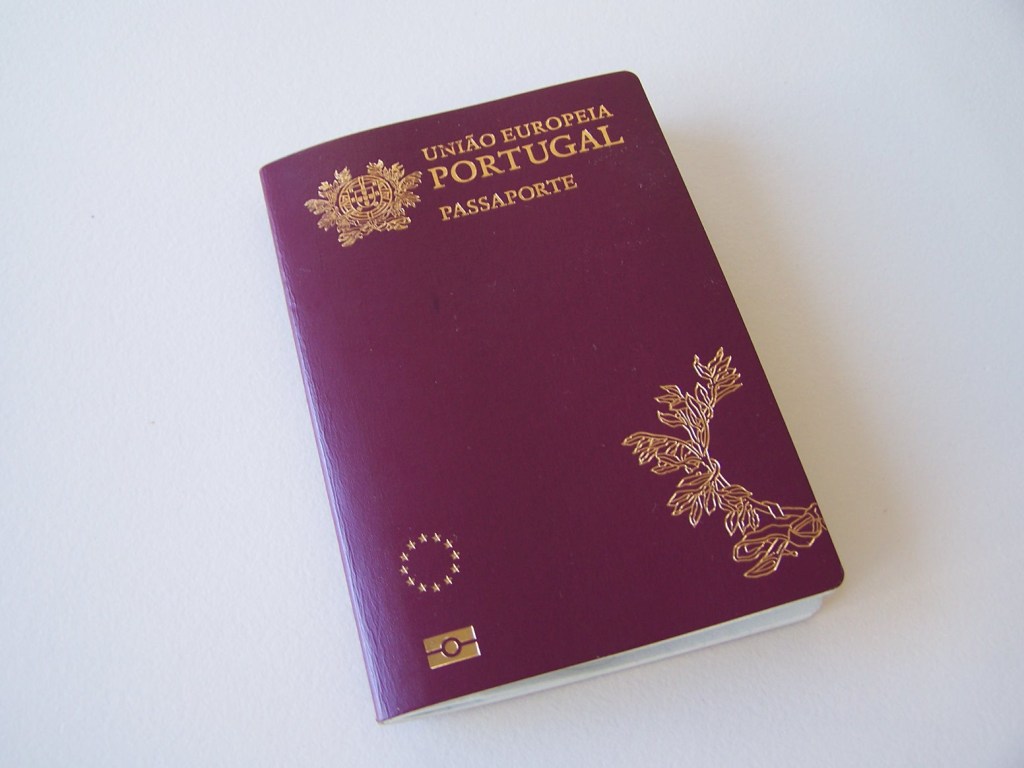
Your flights have been booked, your accommodation is confirmed, and your Vietnam itinerary may already feature Hanoi’s atmospheric Old Quarter, the lantern-lit lanes of Hoi An, Da Nang’s long coastline, and the fast-paced streets of Ho Chi Minh City. Before you begin packing, however, there is one essential matter to arrange: do Portuguese citizens need a visa to travel to Vietnam? Many travellers devote plenty of time to comparing airfares, hotels, tours, and transport, yet postpone checking visa requirements until the departure date is close. That can create unnecessary pressure if a passport number is entered incorrectly, an uploaded photograph is unsuitable, or the selected visa does not cover the full journey. Fortunately, Portuguese passport holders can apply for a Vietnam electronic visa online. By preparing the necessary documents, choosing the right entry option, and reviewing every detail before submission, you can reduce the likelihood of delays and approach your trip with confidence. This guide explains the visa requirements for Portuguese travellers, the available visa arrangements, the documents needed, the online application steps, expected processing times, possible fees, and the mistakes that should be avoided.
Do Portuguese Citizens Need a Travel Visa for Vietnam?
Yes. Portuguese passport holders generally need to obtain a valid visa before travelling to Vietnam.
A short stay does not automatically allow visa-free entry. Whether you are planning a brief city break, a two-week holiday, or a longer journey across several parts of the country, you should arrange the appropriate visa before leaving Portugal.
Portugal is not currently included in Vietnam’s ordinary unilateral visa-exemption list for standard passport holders. Recent discussions between Vietnam and Portugal have referred to the possibility of improving visa facilitation, which indicates that a general exemption for Portuguese ordinary passport holders is not presently in force.
Portuguese citizens may apply for a Vietnam electronic visa. Vietnam’s national e-Visa system issues electronic visas with a maximum validity of 90 days and offers both single-entry and multiple-entry options. The actual validity period and permitted number of entries are those shown on the approved visa rather than an automatic 90-day stay for every applicant.
A separate exemption may apply to travellers visiting Phu Quoc Island. Foreign passport holders who satisfy the relevant conditions may enter and leave Phu Quoc without a visa for a stay of no more than 30 days.
This exemption does not provide unrestricted access to mainland Vietnam. If your itinerary includes Hanoi, Ho Chi Minh City, Da Nang, Hoi An, Hue, Nha Trang, Ha Long Bay, or another destination outside the permitted Phu Quoc arrangement, you should obtain a visa that covers the full journey.
The same applies when your international flight lands directly at an airport on the Vietnamese mainland. A traveller arriving in Hanoi, Ho Chi Minh City, Da Nang, or another mainland destination cannot rely on the Phu Quoc exemption.
Visa and entry requirements can change. Before purchasing non-refundable flights, hotel bookings, or regional connections, check the rules that apply to Portuguese passport holders. Portugal’s official travel guidance also advises travellers to ensure their passports meet Vietnam’s entry-validity requirements.
Applying early gives you additional time to correct inaccurate details, replace an unsuitable photograph, or respond if further information is requested.

Types of Vietnam Travel Visas Available for Portuguese Travellers
The two arrangements most frequently considered by Portuguese travellers are the electronic visa and Visa on Arrival. For a typical independently organised holiday, the electronic visa is usually the simpler option.
A Vietnam electronic visa can be requested online. The applicant completes the application, uploads the required files, pays the relevant fee, and receives the result electronically. The visa may be valid for up to 90 days and can allow either one entry or multiple entries.
One of the main advantages of the e-Visa is that the process can be completed before leaving Portugal. Once approval has been issued, you can download the document and verify your name, passport number, validity dates, and permitted number of entries.
Visa on Arrival generally involves arranging prior authorisation before boarding the flight and completing additional formalities after reaching an eligible Vietnamese international airport.
It should not be interpreted as permission to travel without any prior documentation and request an ordinary tourist visa after landing. For most Portuguese holidaymakers, obtaining an approved electronic visa before departure creates a more predictable travel experience.
Applicants must also choose an entry type that reflects the entire itinerary:
- Single-entry visa: Allows one entry into Vietnam during the approved validity period. It is generally suitable when the whole holiday takes place inside Vietnam.
- Multiple-entry visa: Allows the holder to leave and return to Vietnam while the visa remains valid. This is appropriate when the journey includes another country before re-entering Vietnam.
For example, if you travel from Lisbon to Ho Chi Minh City, continue to Cambodia, and later return to Hanoi, multiple-entry permission would normally be needed. If your complete holiday remains within Vietnam, a single-entry visa is usually sufficient.
Do not make the decision based only on the first arrival date. Once you leave Vietnam with a single-entry visa, the same visa normally cannot be used for another entry, even when its printed expiry date has not yet passed.
Vietnam Travel Visa Requirements for Portuguese Passport Holders
The online application is relatively manageable when the required details and digital files have been prepared in advance.
Portuguese applicants will generally need:
- A valid Portuguese passport
- A clear image of the passport information page
- A recent front-facing portrait photograph
- Intended arrival and departure dates
- Proposed entry and exit checkpoints
- Hotel details or another accommodation address in Vietnam
- An active email address
- A suitable online payment method
Vietnam’s electronic visa process requires applicants to complete an online application, submit the relevant images, make payment, and receive the result electronically.
Your passport should have sufficient remaining validity for the entire journey. Portugal’s official travel guidance advises Portuguese citizens to check the minimum passport-validity requirement applicable at the date of entry into Vietnam.
Use the same passport for the visa application and for travel. If the passport is replaced after the visa has been issued, the details on the approved document may no longer correspond with the passport presented to the airline and immigration officers.
Before submitting your application, carefully review:
- Full name and name order
- Passport number
- Nationality
- Date of birth
- Passport issue date
- Passport expiry date
- Requested visa validity
- Intended entry checkpoint
- Intended exit checkpoint
- Single-entry or multiple-entry selection
Enter your name exactly as it appears on the passport information page. Do not add an informal name, title, shortened version, or alternative spelling that is not printed in the passport.
Portuguese names often contain several given names and surnames. Even when you do not normally use every part of your legal name, the visa application should reproduce the passport information accurately.
The passport number must also be copied character by character. Pay close attention to letters and numbers that may appear similar, such as the letter O and the number 0.
The uploaded passport image should show the full information page. Avoid glare, shadows, blurred text, cropped edges, or anything covering the photograph and personal details.
Your proposed entry point is another important part of the application. Vietnam’s electronic visas may only be used at entry and exit checkpoints approved for the e-Visa programme.
Step-by-Step Guide to Apply for a Vietnam Travel Visa for Portuguese Citizens Online
For most Portuguese travellers, applying online is a practical way to arrange a Vietnam visa before departure.
Step 1: Begin your application through the Vietnam visa service page:
Step 2: Complete the application form using the exact details printed in your Portuguese passport. Your name, date of birth, nationality, passport number, and passport-validity information must match the document.
Step 3: Choose the required visa period and select single-entry or multiple-entry permission. Make this choice according to the complete itinerary, including any planned departure from and return to Vietnam.
Step 4: Upload the requested files. These commonly include a clear image of the passport information page and a recent front-facing portrait.
Step 5: Review the completed application carefully. Pay particular attention to the full name, passport number, intended arrival date, visa validity, entry checkpoint, and number of entries.
Step 6: Complete the payment and monitor your email for confirmation, additional document requests, application updates, and the final result.
Vietnam’s national electronic visa process similarly involves completing the form, paying the visa fee, and receiving the e-Visa result online.
After approval, download the visa and compare every detail with your passport. Do not assume the information is correct simply because the application has been approved.
Keep an electronic copy on your phone or another device and carry a printed version during the journey. A paper copy may be easier to present at airline check-in and during immigration procedures in Vietnam.
Practical Tips for a Smoother Application
Use a sharp, evenly lit image of the passport information page. All text, numbers, photographs, and page edges should be clearly visible.
Your portrait should be recent, front-facing, and suitable for identity verification. Avoid group photos, holiday pictures, strongly filtered images, or heavily edited selfies.
Copy your full name from the passport exactly. Do not omit a middle name or surname simply because you rarely use it in daily life.
Provide an email address that you check regularly. During the application period, review both your main inbox and the spam or junk folder.
Do not wait until the final days before departure. Applying early allows time to resolve an unsuitable upload, payment difficulty, public holiday delay, or additional immigration review.
Make sure the requested visa validity covers the whole journey. Both the arrival date and departure date should fall within the period stated on the approved visa.
Common Application Mistakes to Avoid
Many visa complications arise from preventable errors rather than difficult eligibility rules.
Common mistakes include:
- Entering the wrong passport number
- Using a name or name order that differs from the passport
- Omitting part of the full legal name
- Selecting single entry when the itinerary requires multiple entries
- Entering the wrong arrival date
- Choosing an entry checkpoint that does not match the journey
- Uploading a blurred or incomplete passport image
- Providing an unsuitable portrait
- Submitting the form without reviewing it
- Replacing the passport after the visa has been issued
- Failing to keep the application reference or payment information
Do not expect a difference of one letter or one digit to be overlooked. The details on the approved visa should match the passport presented during airline check-in and Vietnamese immigration inspection.

Processing Time and Visa Fees for Portuguese Travellers
Vietnam electronic visa applications are generally handled within several working days. For safer planning, allow approximately 3–5 working days or longer instead of relying only on the shortest possible timeframe.
Weekends, Vietnamese public holidays, high application volumes, incomplete information, unclear files, or additional verification may extend the overall processing period.
The amount payable may include a government visa fee and, where applicable, separate charges for optional assistance such as document checking, application support, customer service, or expedited handling.
The national e-Visa system requires payment during the online application process. The fee and payment conditions should be checked at the time of submission because policies and amounts may be updated.
If the departure date is approaching, eligible applicants may request expedited assistance for an additional service charge. Depending on the submission time, the circumstances of the application, and the urgent option available, some cases may be processed within approximately 2–8 hours.
This timeframe should not be understood as an unconditional guarantee. Approval remains subject to accurate documentation, applicant eligibility, submission timing, and immigration review.
The total amount payable may depend on:
- Single-entry or multiple-entry permission
- Requested visa validity
- Standard or expedited handling
- Pre-submission document review
- Additional application assistance
- Payment and service conditions
Processing may take longer when:
- Application information is incorrect or incomplete
- Uploaded files are unclear
- The application is submitted close to a Vietnamese public holiday
- Application volumes are unusually high
- Additional verification is required
- The urgent request is submitted outside an available processing window
- Payment or application information is not recorded successfully
Urgent processing may help in a genuine time-sensitive situation, but it should not replace early preparation. Applying as soon as the itinerary is confirmed remains the safer approach.
Conclusion
Obtaining a Vietnam travel visa for Portuguese citizens is generally straightforward when you understand the entry requirements, choose the correct visa type, and complete the application carefully.
Portuguese passport holders may apply for a Vietnam electronic visa valid for up to 90 days, with either single-entry or multiple-entry permission. The exact dates and number of permitted entries are determined by the approved visa document.
Select your visa according to the entire itinerary rather than only the first arrival. Enter every passport detail accurately, upload clear files, and inspect the approved visa before leaving Portugal.
Travellers who would like assistance with the application may submit their details through:
The service offers document checking before submission, application assistance, and customer support. Expedited options of approximately 2–8 hours may also be available for eligible urgent cases. With more than 15 years of experience assisting international travellers, the service team can help identify common errors and make the application easier to manage.
Once your visa, passport, and remaining travel documents are ready, you can turn your attention to the journey itself—from Hanoi’s historic neighbourhoods and the limestone scenery of Ha Long Bay to Da Nang’s beaches, Hoi An’s evening atmosphere, and the food and energy of Ho Chi Minh City.


You must be logged in to post a comment.