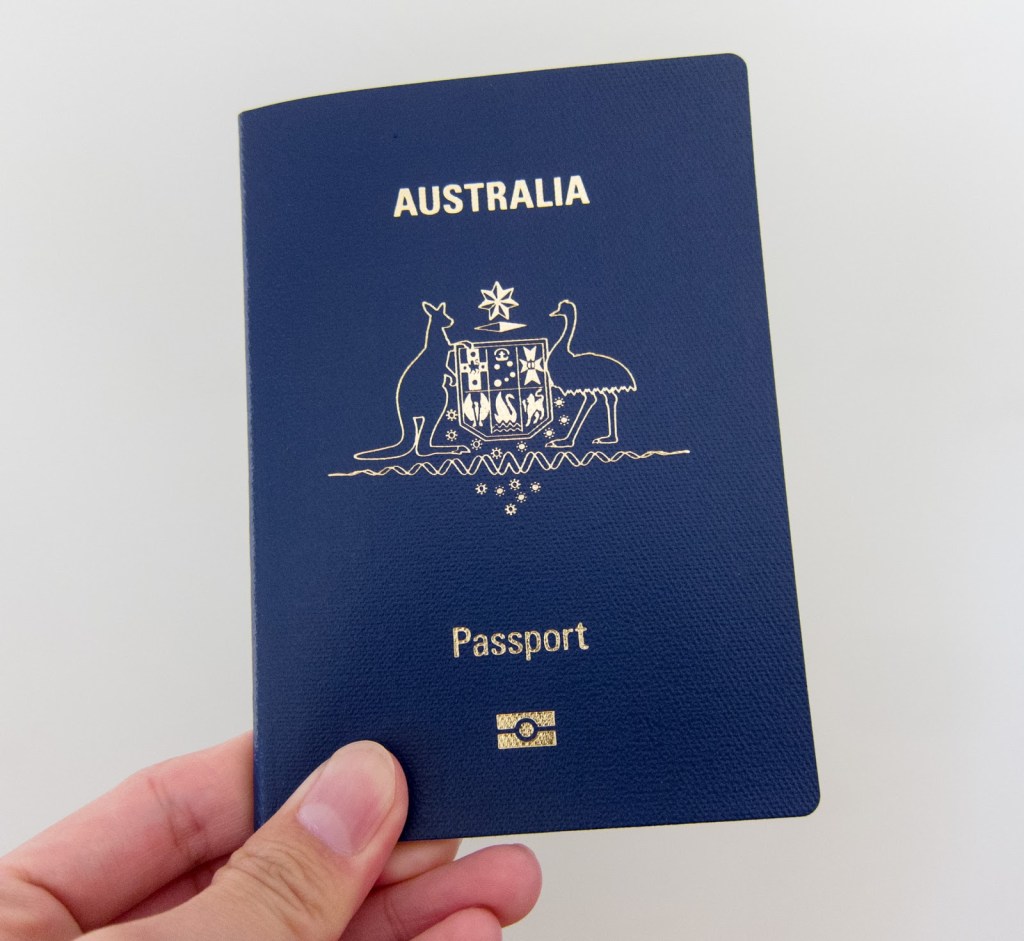
Planning a trip to Vietnam from Australia? Before you pack your bags, one essential step is securing the right tourist visa. While Vietnam’s eVisa system has made the application process much more convenient, many Australian travellers still experience unnecessary delays or rejected applications because of simple, avoidable mistakes.
The good news is that obtaining a Vietnam tourism visa is straightforward when you understand the requirements and follow the correct process. In this guide, you’ll learn how to apply step by step, discover the most common mistakes to avoid, and find practical tips to help ensure a smooth and stress-free journey to Vietnam.
Do Australian Travellers Need a Vietnam Tourism Visa?
Yes. Australian passport holders are generally required to obtain a valid visa before travelling to Vietnam for tourism purposes.
The only notable exception is Phu Quoc Island. Australian travellers may enter Phu Quoc visa-free if they arrive directly and remain on the island for the duration of their stay, while meeting the applicable entry conditions. However, if you plan to travel beyond Phu Quoc to destinations such as Ho Chi Minh City, Hanoi, Da Nang, Hoi An, Nha Trang, or anywhere else in Vietnam, you must obtain a valid visa before your trip.
Fortunately, Vietnam has made the application process much easier through its electronic visa (eVisa) system, allowing eligible travellers to complete the entire application online.
Depending on your travel plans, Australian citizens can apply for tourist visas with different validity periods, including 15-day, 30-day, and up to 90-day visas. Travellers can also choose between:
- Single-entry visa – allows one entry into Vietnam during the visa validity period.
- Multiple-entry visa – allows travellers to enter and leave Vietnam multiple times while the visa remains valid.
For most Australian tourists, the Vietnam eVisa is the preferred option because it is convenient, efficient, and eliminates the need to visit a Vietnamese embassy or consulate.

Why Do Some Australian Travellers Experience Visa Delays or Rejections?
Applying for a Vietnam tourist visa online is relatively simple, but that simplicity often leads travellers to underestimate the importance of completing the application carefully. Many applicants assume the process only takes a few minutes and rush through the form without thoroughly checking the information they provide.
Unfortunately, even minor errors can cause significant delays. An incorrect passport number, a misspelled name, an unsuitable photo, or selecting the wrong visa type may result in additional verification or require you to submit an entirely new application. These seemingly small mistakes can delay approval and create unnecessary stress before your departure.
The consequences become even more frustrating when flights, accommodation, tours, and airport transfers have already been booked. A delayed or rejected visa may force you to postpone your trip, change travel arrangements, or incur additional expenses.
The good news is that the vast majority of these issues are completely avoidable. By preparing your documents in advance, reviewing every detail carefully, and applying early, you can significantly improve your chances of receiving your visa smoothly and on time.
The 8 Most Common Mistakes When Applying for Vietnam Tourism Visa for Australians
Although thousands of Australian travellers successfully obtain their Vietnam tourist visas every year, many delays and rejections are still caused by simple, preventable mistakes. Understanding these common errors before you apply can save you valuable time and help ensure a smooth approval process.
Mistake 1: Entering Incorrect Passport Details
Entering an incorrect passport number, spelling your name differently from your passport, or providing an incorrect date of birth can make your visa invalid.
How to avoid it: Double-check every personal detail against your passport before submitting your application.
Mistake 2: Choosing the Wrong Visa Type
Selecting a single-entry visa when your itinerary requires multiple entries can create problems later in your trip.
How to avoid it: Review your travel itinerary carefully and choose the visa type that matches your plans.
Mistake 3: Using an Invalid Passport Photo
Photos that do not meet Vietnam’s requirements may delay processing.
How to avoid it: Use a recent, clear passport-style portrait that meets the required specifications.
Mistake 4: Selecting Incorrect Travel Dates
Your visa is only valid during the approved validity period. Entering incorrect arrival dates could prevent you from entering Vietnam as planned.
How to avoid it: Confirm your intended arrival date before submitting your application.
Mistake 5: Passport Validity Is Too Short
Your passport should generally remain valid for at least six months from your planned entry date.
How to avoid it: Renew your passport before applying if necessary.
Mistake 6: Uploading Low-Quality Documents
Blurry images, cropped passport pages, or unreadable files can slow down processing.
How to avoid it: Upload clear, high-resolution images that meet the required standards.
Mistake 7: Waiting Until the Last Minute
Submitting your application only a few days before departure leaves little time to correct mistakes if additional information is requested.
How to avoid it: Apply at least 10 days before your planned departure, or even earlier during peak travel seasons.
Mistake 8: Using Unreliable Visa Services
Some unofficial providers offer limited support or fail to review applications before submission, increasing the risk of errors.
How to avoid it: Choose a reputable visa service with experienced staff, transparent processing times, and responsive customer support.
How to Obtain a Vietnam Tourism Visa for Australians: Step-by-Step Guide
Obtaining a Vietnam tourist visa is straightforward when you follow the correct process. Preparing your documents in advance and carefully completing each step can help you avoid unnecessary delays.
Step 1: Check Your Eligibility
Before applying, confirm that you are eligible for a Vietnam tourist eVisa and determine whether a single-entry or multiple-entry visa best suits your travel itinerary.
Step 2: Prepare the Required Documents
Gather all necessary documents before starting your application. Having everything ready will make the process faster and reduce the risk of mistakes.
Step 3: Complete the Online Application
Fill out the online visa application carefully, ensuring that every detail matches your passport exactly.
Australian travellers can conveniently submit their application through https://www.vietnamimmigration.com/apply-vietnam-visa/, where the process is straightforward and supported by experienced visa specialists.
Step 4: Upload Supporting Documents
Upload your passport information page and portrait photo according to the required specifications. Ensure all files are clear, complete, and easy to read.
Step 5: Pay the Visa Fee
Complete your payment using one of the accepted online payment methods. The total cost will depend on the processing option you choose.
Step 6: Wait for Approval
After submission, your application will be processed. Standard applications usually take several working days, while urgent services are available for travellers with tighter schedules.
Step 7: Download and Print Your eVisa
Once approved, download your eVisa immediately and print at least one paper copy. Keeping both printed and digital copies is recommended.
Step 8: Present Your Visa Upon Arrival
When you arrive in Vietnam, present your passport together with your printed eVisa to immigration officers for verification before entering the country.

Documents Required Before Applying for a Vietnam Tourism Visa for Australians
Preparing the correct documents before starting your application will make the process much smoother and reduce the likelihood of delays.
Australian travellers should have the following ready:
- Australian passport valid for at least six months beyond the intended entry date
- Recent passport-style portrait photo
- Active email address to receive visa approval
- Valid credit or debit card for online payment
- Intended arrival and departure dates
- Planned port of entry into Vietnam
Document Checklist
Before submitting your application, make sure you have:
✅ Passport valid for more than six months
✅ Passport-style portrait photo
✅ Active email address
✅ Payment method
✅ Planned travel dates
✅ Entry checkpoint information
Taking a few extra minutes to review this checklist before applying can help prevent unnecessary delays later in the process.
How Long Does It Take to Get a Vietnam Tourism Visa with an Australian Passport?
The processing time depends on the service option you choose and how soon you need your visa.
| Processing Type | Estimated Time | Suitable For |
|---|---|---|
| Standard | 3–5 working days | Travellers planning ahead |
| Urgent | 1–2 working days | Short-notice trips |
| Emergency | As fast as a few hours (for eligible cases) | Last-minute travel |
If your departure date is still several weeks away, the standard processing service is usually sufficient. However, if you are travelling at short notice or need your visa urgently, expedited processing options can help ensure you receive your approval in time.
Applying early is always recommended. It gives you enough time to resolve any unexpected issues without affecting your travel plans.
Vietnam Tourism Visa Fees Explained for Australians
The total cost of obtaining a Vietnam tourist visa depends on the type of application and the processing speed you choose.
Generally, the total fee may include:
- Government visa fee
- Visa service fee
- Urgent processing surcharge (if applicable)
- Emergency processing fee (for eligible expedited services)
Several factors can influence the overall cost, including the visa validity period, number of entries, and the level of support provided during the application process.
While choosing the cheapest option may seem attractive, it is not always the best choice—especially if you are travelling soon or applying for the first time. Professional application review, dedicated customer support, and faster processing can help reduce the risk of costly mistakes and provide greater peace of mind before your trip.

Should You Apply Yourself or Use a Professional Visa Service?
Australian travellers have two main options when applying for a Vietnam tourist visa: completing the application independently or using a professional visa service. Each approach has its own advantages depending on your travel experience, schedule, and confidence with the application process.
| Apply Yourself | Professional Visa Service |
|---|---|
| Lower upfront cost | Professional guidance throughout the application |
| Review documents yourself | Document review before submission |
| Monitor application status independently | Dedicated customer support |
| Suitable for experienced travellers | Ideal for first-time visitors or urgent travel |
If you have applied for visas before and have plenty of time before your departure, submitting the application yourself may be a suitable option. However, you’ll be responsible for ensuring every detail is correct, monitoring the application, and resolving any issues that arise.
For Australian travellers who prefer convenience or need their visa quickly, VietnamImmigration.com offers a comprehensive visa support service. Their experienced team reviews every application before submission, helps minimise documentation errors, provides expedited processing options (including eligible urgent cases), and offers 24/7 customer support throughout the process. This professional assistance can significantly reduce the risk of delays or rejected applications, allowing you to travel with greater confidence.
Arrival Tips for Australian Travellers
Receiving your approved visa is only one part of preparing for your journey. A few simple preparations before departure can make your arrival in Vietnam much smoother.
Before leaving Australia, print at least one copy of your approved eVisa. Although digital copies are useful, immigration officers may request a printed version during the entry process.
Upon arrival, proceed to the immigration counters with your passport and printed eVisa ready for inspection. Ensure that all information on your visa matches your passport exactly. Any discrepancies should be resolved before travelling to avoid unnecessary complications.
After completing immigration, you’ll proceed through customs before entering the arrivals hall. If you’re arriving during peak travel periods or prefer to minimise waiting time, you may consider using an Airport Fast Track Service, which can help you pass through immigration more efficiently at many of Vietnam’s international airports.
Finally, keep your passport and visa in a safe place throughout your trip, as they may be required when checking into hotels or requested by local authorities if necessary.
Frequently Asked Questions
Can Australians apply for a Vietnam tourist visa online?
Yes. Australian passport holders are eligible to apply for a Vietnam tourist eVisa online without visiting a Vietnamese embassy or consulate.
How early should Australians apply?
It is recommended to apply at least 10 days before your departure date. Applying earlier provides extra time in case additional information or corrections are required.
Can Australians change their travel dates after visa approval?
Your visa will specify a validity period. You may enter Vietnam on any date within that validity period, provided you do not arrive before the visa’s start date.
Do Australian children need separate visas?
Yes. If a child has their own Australian passport, they must have a separate Vietnam visa.
Can Australians enter Vietnam more than once?
Yes. Travellers who obtain a multiple-entry visa may enter and leave Vietnam multiple times during the visa validity period.
What happens if my visa application is rejected?
If your application is rejected, you should review the reason carefully and submit a corrected application. Using a reputable visa service can help identify potential issues before submission and reduce the likelihood of repeated rejections.
Is travel insurance required?
Travel insurance is not required to obtain a Vietnam tourist visa. However, purchasing travel insurance is highly recommended to protect against unexpected medical expenses, trip cancellations, or travel disruptions.
Can I use my eVisa at all international airports?
Vietnam eVisas are accepted at designated international airports, seaports, and land border crossings. Before travelling, make sure your intended port of entry is included on the list of eligible entry points.
What should I do if I notice an error on my approved visa?
Contact your visa service provider or the relevant authority immediately. It is important to correct any errors before travelling, as incorrect visa information may cause problems during check-in or upon arrival in Vietnam.
Conclusion
Obtaining a Vietnam tourism visa is a straightforward process for Australian travellers when you understand the requirements and prepare your application carefully. Most delays and rejections are caused by simple mistakes—such as incorrect passport information, incomplete documents, or applying too close to the departure date—all of which can be easily avoided with proper preparation.
To enjoy a smooth and stress-free journey, apply early, double-check every detail before submitting your application, and choose the visa option that best matches your travel plans. Taking these simple steps can save you valuable time, money, and unnecessary stress before your holiday begins.
If you’d like additional peace of mind, VietnamImmigration.com provides professional visa assistance, comprehensive document review, expedited processing options for eligible urgent cases, and dedicated customer support to help make your Vietnam visa application as smooth and hassle-free as possible.


You must be logged in to post a comment.