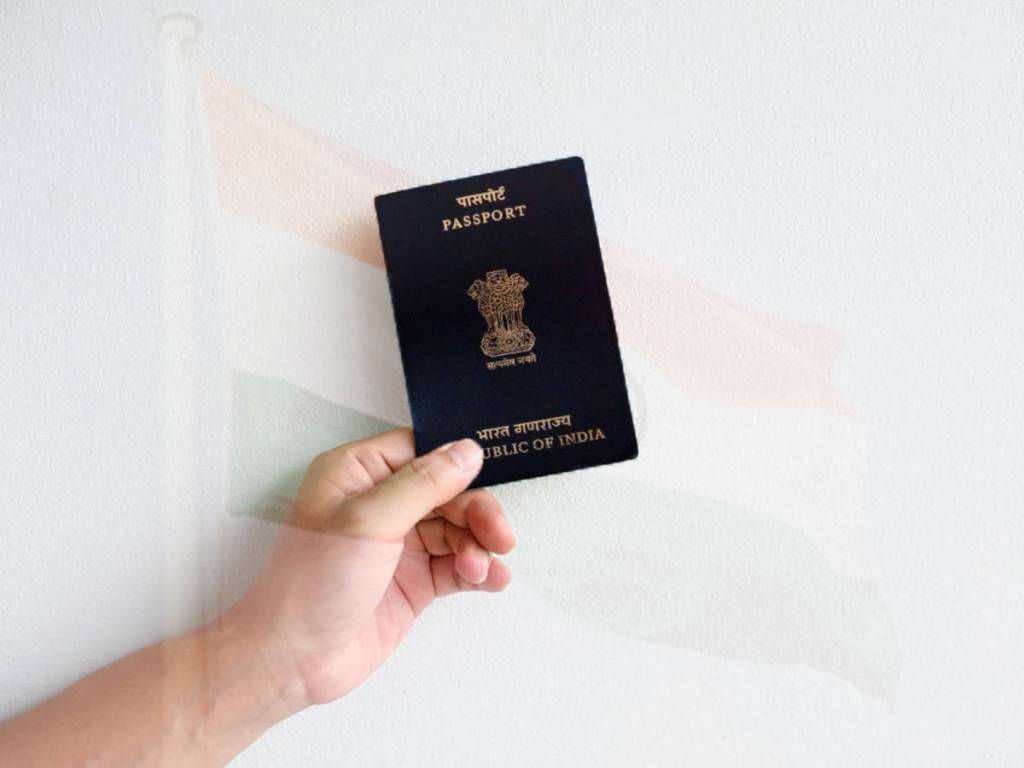
If your Vietnam trip is approaching, the last thing you want is an e-visa application slowed down by an unclear Indian passport image, incorrect personal information or inconsistent travel details. Fast approval is not about finding a secret shortcut or assuming that a perfect application will automatically receive priority. The most practical strategy is to submit accurate, complete information early enough to avoid preventable delays.
For Indian travellers, a few careful checks before submission can make a significant difference when time is limited. Here is how to prepare your Vietnam e-visa efficiently and reduce unnecessary processing problems.
How Long Does a Vietnam E-Visa Normally Take for Indian Travellers?
Vietnam’s Immigration Department currently states that a personal e-visa application is processed in 3 working days after the required application information and payment are completed.
The important phrase here is working days.
Three working days should not automatically be treated as three consecutive calendar days. If your application period overlaps with a weekend or Vietnamese public holiday, the amount of practical processing time available before your flight may be different from what a simple calendar count suggests.
This is why the official processing period should not be treated as your ideal moment to begin applying.
For example, if you know you are travelling shortly, waiting until exactly three working days before departure leaves very little room for an incorrect passport detail, unsuitable image or another issue that might require attention.
A better approach is to leave a reasonable buffer whenever your travel schedule allows.
The standard processing timeline is most useful when you give yourself enough time before departure to absorb an unexpected delay.
What Does “Fast Approval” Actually Mean?
When travellers search for “Vietnam e-visa fast approval,” it is easy to assume that there must be a particular trick that causes an application to move ahead of others.
That is not the right way to think about it.
The Immigration Department requires applicants to provide complete and accurate information, and the official e-visa FAQ specifically states that applicants must declare information completely, accurately and truthfully.
Therefore, a practical fast-approval strategy is not about trying to influence the final immigration decision. It is about eliminating issues that can unnecessarily complicate or delay the application.
You cannot control every part of the approval process, but you can control:
- Whether your Indian passport details are entered correctly
- Whether your images are clear and usable
- Whether your travel information is accurate
- Whether your contact information works
- Whether you apply with enough time before departure
A clean application does not create a guarantee of faster approval, but it can help prevent problems that were avoidable from the beginning.
Fast approval should therefore be understood as reducing preventable delays, not guaranteeing an immigration decision within a fixed time.
What Can Slow Down a Vietnam E-Visa for Indian Travellers?
Many processing problems begin with relatively simple application mistakes.
For an Indian traveller, potential sources of unnecessary delay can include entering the wrong passport number, providing information that does not correspond with the passport, uploading unclear images, choosing incorrect travel information or simply applying too close to departure.
Common issues worth checking include:
- Incorrect Indian passport number
- Name entered differently from the passport
- Incorrect date of birth
- Wrong nationality information
- Incorrect passport expiry details
- Blurry or incomplete passport image
- Unsuitable portrait photograph
- Incorrect Vietnam entry date
- Incorrect entry information
- Inconsistent information across the application
- Incorrect email address
- Applying with almost no buffer before departure
Vietnam’s official system requires applicants to complete the application accurately, while the Immigration Department’s instructions require both a passport data-page image and a photograph.
When the trip is several weeks away, discovering a problem may be inconvenient.
When the flight is tomorrow, the same mistake can become much more serious because there is far less time available to respond.
Step-by-Step: How Indian Travellers Can Prepare for Faster E-Visa Processing
The most effective way to prepare for faster processing is to eliminate obvious sources of delay before submitting the application.
Step 1 — Use the Correct Indian Passport
Start with the passport you will actually use to travel to Vietnam.
Do not rely on information saved in an old booking profile, a previous passport scan or details copied from another document. Place the current Indian passport in front of you and use it as the reference for the application.
Check the passport number carefully, character by character. Also verify your full name, nationality, date of birth and passport validity information.
If you recently renewed your passport, pay particular attention to which passport details you are using.
A fast application built around the wrong passport information is not an efficient application.
Step 2 — Upload a Clear Passport Data Page
Vietnam’s official e-visa instructions require applicants to upload the passport data-page image.
Before uploading, make sure the image is clear enough for the information to be read easily.
Avoid images that are:
- Blurred
- Heavily shadowed
- Covered by glare
- Cropped around important information
- Too dark
- Partially obstructed
Do not assume that because you can personally recognise the passport, the image is automatically suitable.
Take a moment to open the file at normal size and verify that all important information remains readable.
Step 3 — Prepare a Proper Portrait Photo
The official e-visa process also requires a photograph of the applicant. The Immigration Department describes the photograph as straight-looking and without glasses.
Prepare this image before you begin the application so you do not reach the final stages and then start searching for a usable photograph.
The photo should be clear, properly framed and easy to identify. Avoid using an image that is blurry, heavily shadowed or poorly cropped.
If speed matters, having both the passport image and portrait ready from the beginning helps avoid unnecessary interruptions during preparation.
Step 4 — Enter Indian Passport Information Exactly
Do not rewrite your information according to the way you normally use your name socially, professionally or on airline loyalty accounts.
Use the passport itself as the reference.
Pay particular attention to:
- Full name
- Passport number
- Date of birth
- Nationality
- Passport expiry information
When entering a passport number, check every character individually before moving on.
A one-character mistake may take only a second to create but can become much more difficult to deal with when the flight is approaching.
Accuracy is particularly important because Vietnam’s official e-visa FAQ requires applicants to provide complete, accurate and truthful information.
Step 5 — Confirm Your Vietnam Entry Information
Prepare your Vietnam travel details before submitting the application.
Depending on the information requested for your case, confirm your intended entry date, relevant entry point and other travel details carefully.
If you already have a confirmed flight itinerary, use that itinerary rather than guessing.
A last-minute application is not the right time to estimate an entry date or choose a checkpoint without checking your route.
The more urgent your travel becomes, the less room you have for preventable inconsistencies.
Step 6 — Use Reliable Contact Information
Use an email address that you can access easily and check regularly.
Vietnam’s official e-visa system uses applicant information to allow travellers to check their application status, and the government provides an online status-check facility using registration details.
An incorrect email address or inaccessible account can make an already stressful situation harder to manage.
Before submitting, check your email spelling just as carefully as you check your passport number.
Step 7 — Submit Before the Timeline Becomes Tight
Do not interpret a standard three-working-day processing period as a recommendation to wait until exactly three working days before your flight.
Applying earlier gives you something extremely valuable: buffer time.
That buffer can help if you need to double-check information, deal with an unexpected issue, navigate a weekend or simply avoid spending the final hours before departure monitoring the application.
The goal is not merely to submit before the flight.
It is to give the process enough room that your entire Vietnam trip does not depend on the final few hours.

Which Documents Help Prevent E-Visa Processing Delays?
There is no special stack of extra documents that automatically guarantees fast approval.
For most travellers, what matters more is making sure the core information is complete and usable.
Before beginning, prepare:
- Clear Indian passport data page
- Appropriate portrait photograph
- Personal information matching the passport
- Correct passport number
- Correct passport validity information
- Intended Vietnam entry date
- Relevant entry information
- Flight itinerary when departure is close
- Valid email address
- Reliable contact information
The official application process requires the passport data page and applicant photograph, and Vietnam’s e-visa system instructs applicants to fill out the application accurately.
For a time-sensitive case, complete preparation can be particularly valuable because every avoidable correction or missing piece of information consumes part of the remaining travel window.
The objective is not to submit more material. It is to submit the right information correctly the first time.
When Should Indian Travellers Apply for a Vietnam E-Visa?
Whenever possible, apply with more time than the minimum standard processing window.
A practical approach is:
| Time Before Departure | Recommended Approach |
|---|---|
| Several weeks | Apply comfortably in advance |
| More than 3 working days | Standard processing may still fit, but leave buffer |
| Around 3 working days | Very little margin for unexpected delays |
| 24–48 hours | Consider urgent assistance |
| Under 24 hours | Immediate assessment may be appropriate |
Vietnam Immigration currently states that the normal personal e-visa application is processed in 3 working days.
The key point is that a published processing timeline and a safe personal travel buffer are not the same thing.
If your flight and hotel are already booked, having more time between application and departure can significantly reduce the risk that a delay affects the rest of the trip.
Do not treat the standard processing period as your ideal application date.
Can Indian Travellers Get Vietnam E-Visa Approval Within 24 Hours?
In some circumstances, travellers with departures inside 24 hours may look for urgent professional assistance.
However, 24-hour approval should not be treated as a universal guarantee for every Indian traveller.
The official government timeline for the standard personal e-visa process remains three working days. Any faster assistance should therefore be considered separately from the standard government processing timeline.
What may be realistic in a time-sensitive case can depend on factors such as the actual submission time, Vietnam working hours, whether the request falls around a weekend or holiday, document accuracy, flight time and the airline’s check-in deadline.
Two travellers can both say:
“My flight is within 24 hours.”
Yet one may have almost a full day remaining with complete documents ready, while the other may have only a few usable hours before airport check-in.
Their situations are not the same.
If your flight is inside 24 hours, provide the exact departure time rather than relying only on the phrase “24-hour visa.”
Is Same-Day Vietnam E-Visa Approval Possible for Indian Travellers?
Same-day travel is even more dependent on the actual clock.
A request made in the morning for a late-night flight has a very different available window from a request made shortly before leaving for the airport.
This is why same-day processing should never be treated as automatically available at any hour.
For a same-day case, prepare your Indian passport, required images, Vietnam travel information and complete flight itinerary immediately. Make sure the exact departure time and airline check-in deadline are clear.
If you need the case assessed against an urgent travel schedule, you can submit your information through:
The purpose of an urgent assessment is to determine what may still be practical based on the time that genuinely remains, rather than assuming that “same day” is a guaranteed processing category.

Does Applying Earlier Increase the Chance of Faster Approval?
Applying earlier should not be described as a way to make immigration authorities approve your application preferentially.
The advantage is different.
Applying early gives you more room to manage the things that you can control.
For example, it gives you more time to notice a mistake, prepare a clearer image, verify travel information, deal with weekends or holidays, and react if something unexpected occurs.
So applying earlier does not create a guarantee of faster approval.
What it does is reduce the likelihood that a normal delay becomes a travel emergency.
This distinction is important:
Applying earlier improves your margin for error, not your guarantee of approval.
How Do Weekends and Vietnamese Public Holidays Affect Approval?
Because Vietnam’s standard e-visa processing timeline is expressed in working days, weekends and public holidays matter when planning your application.
A traveller who submits shortly before a weekend may have fewer usable working days before departure than expected from simply looking at the calendar.
Vietnam local time also matters when the flight is close.
India and Vietnam do not operate in the same time zone, so a traveller in India should not assume that the working window in Vietnam matches the local clock at home.
When your trip is several weeks away, this difference may not matter much.
When your flight is tomorrow or later the same day, it can become much more relevant.
For urgent travel, calculate the available window using the actual Vietnam working schedule and your real airline deadline, not only the number of calendar days displayed on your phone.
Does Paying More Guarantee Faster Vietnam E-Visa Approval?
No.
It is important to distinguish three separate things:
Government e-visa fee: the fee associated with the official e-visa application.
Professional expedited assistance: an additional service that may be used when a traveller needs help with a time-sensitive case.
Immigration approval: the actual decision on the visa.
Vietnam’s Immigration Department currently lists the official e-visa fee as US$25 for a single-entry e-visa and US$50 for a multiple-entry e-visa.
The official system also states that the e-visa fee is not refunded if the application is refused.
Paying for professional urgent assistance should therefore not be interpreted as purchasing or guaranteeing an immigration approval.
A professional service can help reduce avoidable mistakes, review information and assess an urgent timeline, but the final visa decision remains separate from the service fee.
What If Your Flight from India Is Tomorrow?
If your flight leaves tomorrow and you do not yet have the e-visa you need, do not spend the rest of the day comparing ordinary processing timelines.
Prepare everything immediately:
- Indian passport
- Passport data-page image
- Portrait photograph
- Correct passport information
- Intended Vietnam entry details
- Complete flight itinerary
- Exact departure time
- Reliable contact information
Check the airline’s international check-in deadline as well as the scheduled departure time.
If the standard processing timeline no longer fits your trip, you can submit your details for urgent assessment through:
Include the exact flight time from the beginning so the case can be evaluated against your real deadline.
What If Your Flight Leaves Tonight?
If you are flying from India to Vietnam tonight, your usable window may already be considerably shorter than the number of hours remaining before takeoff.
At this stage, avoid spending valuable time making repeated partial submissions or researching basic visa information.
Prepare your documents in one complete package and provide the exact flight schedule immediately.
You should also check the airline’s check-in deadline and understand whether there are later-flight or rebooking options available if necessary.
For an urgent case, submit your information through:
Do not simply write “very urgent” or “flight tonight.” Your actual flight number and departure time provide much more useful information for assessing the remaining window.
How Our Vietnam E-Visa Fast Processing Assistance Can Help Indian Travellers
When a Vietnam trip is approaching, professional assistance can be useful not only because the traveller wants a faster result, but because there is less room for avoidable errors.
Vietnam Immigration Services can assist Indian travellers by reviewing the information and documents provided, checking passport details and images, confirming travel information, and assessing the actual flight deadline.
For time-sensitive cases, our support can include document verification, passport and photo review, travel-data checks, simplified preparation, urgent case assessment where available, and 24/7 customer assistance.
Our team has more than 15 years of experience assisting international travellers with Vietnam visa and entry-related matters.
If the normal e-visa processing window no longer fits your trip, submit your information through:
Provide your Indian passport information, required images, Vietnam entry details and complete flight itinerary from the beginning. The earlier the case is complete, the more usable time remains before departure.
Frequently Asked Questions About Vietnam E-Visa Fast Approval for Indian Travellers
How long does a Vietnam e-visa normally take for Indian travellers?
Vietnam’s Immigration Department currently states that a personal e-visa application is processed in three working days. Travellers should still leave additional buffer before departure whenever possible.
How can Indian travellers get a Vietnam e-visa processed faster?
Start early, enter passport information accurately, prepare clear required images, verify travel information and avoid submitting an incomplete application. If the normal processing timeline no longer fits the flight, urgent professional assistance may be worth assessing.
Can Indian travellers get Vietnam e-visa approval within 24 hours?
Some urgent cases may have faster assistance options worth assessing, but 24-hour approval should not be treated as universally guaranteed. Vietnam’s official standard processing timeline remains three working days.
Is same-day Vietnam e-visa approval possible?
Same-day cases are highly time-sensitive and depend heavily on the exact submission time and travel deadline. They should be assessed against the actual hours remaining rather than treated as automatically available.
What commonly delays a Vietnam e-visa application?
Potential problems include incorrect passport details, unclear required images, inconsistent travel information, incorrect contact details and applying with very little time remaining. The official e-visa FAQ requires complete and accurate information.
What documents should Indian travellers prepare?
Prepare a clear Indian passport data page, appropriate portrait photograph, accurate personal information, intended Vietnam travel details, reliable contact information and, for urgent travel, the complete flight itinerary.
Do weekends count toward the normal processing period?
The official processing period is expressed in working days, so travellers should not simply treat every calendar day as an ordinary processing day.
Does paying more guarantee faster approval?
No. Professional expedited assistance and the immigration approval decision are separate matters. Paying for assistance should not be interpreted as purchasing a guaranteed visa approval.
When should Indian travellers apply?
Whenever possible, apply comfortably before the standard processing window becomes tight. Leaving additional time gives you more room to deal with unexpected issues before departure.
What if my flight is tomorrow?
Prepare all required documents and exact flight information immediately. If the normal timeline no longer fits, request an urgent assessment based on your real departure schedule.
What if my flight is tonight?
Treat the case as highly time-sensitive. Prepare everything at once, provide the exact flight and check-in deadlines, seek immediate assessment, and understand your airline’s backup options.
How long can a Vietnam e-visa be valid?
Vietnam’s official e-visa system currently states that an e-visa may be valid for a maximum of 90 days, for single or multiple entry.
Conclusion: Fast Approval Starts with Avoiding Preventable Delays
If you are an Indian traveller hoping to get your Vietnam e-visa ready quickly, the best strategy starts long before the final approval. Use the correct passport, prepare clear images, enter every important detail carefully, verify your Vietnam travel information and leave as much buffer as your trip allows.
If your departure is already too close for the standard processing timeline, you can submit your passport and exact flight information through https://www.vietnamimmigration.com/apply-vietnam-visa/ for urgent assessment. The goal is not to promise an immigration decision that nobody can control, but to remove unnecessary delays and make the best use of the time still available.
For fast Vietnam e-visa processing, the principle is straightforward: act early, submit accurate information, prepare complete documents and do not let an avoidable mistake consume the time you need before your flight.


You must be logged in to post a comment.