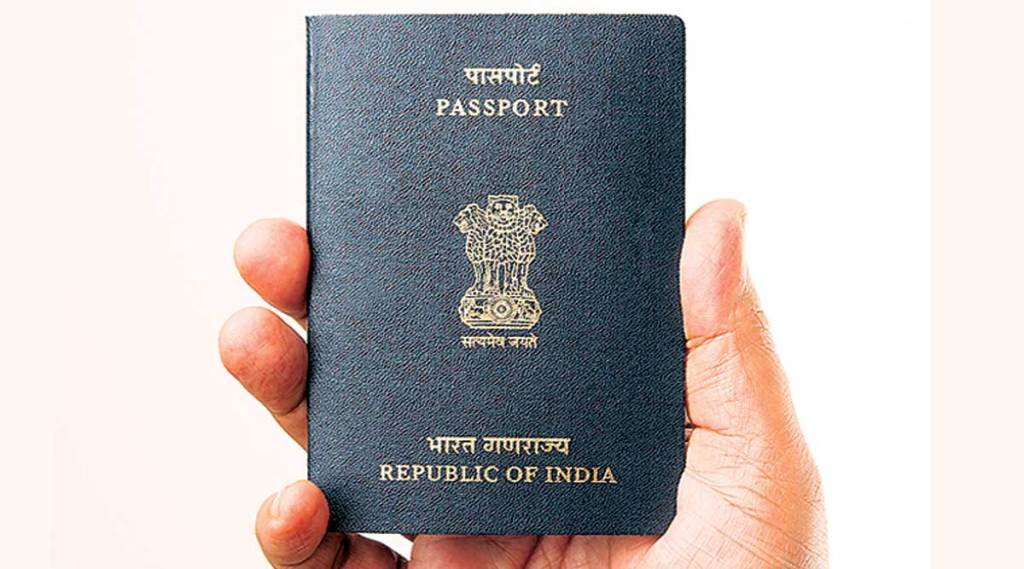
Imagine you’ve spent weeks preparing for an important business trip to Vietnam. Your meetings in Ho Chi Minh City have been confirmed, hotel reservations are complete, flights have been booked, and your Vietnamese partners are expecting your arrival. Then, just days before departure, you realize your visa application contains a mistake. Perhaps the passport number doesn’t match your passport exactly, you’ve selected the wrong type of entry, or your intended arrival date is incorrect. What seemed like a small oversight suddenly becomes a major concern that could delay your entire business schedule.
Situations like these are more common than many Indian travelers realize. Every year, business professionals from Mumbai, Delhi, Bengaluru, Hyderabad, Chennai, Pune, and other cities travel to Vietnam to attend trade exhibitions, negotiate manufacturing contracts, source products, inspect factories, explore investment opportunities, and strengthen partnerships with Vietnamese companies. While applying for a Vietnam business visa is generally straightforward, choosing the right visa option and submitting accurate information from the beginning can make the difference between a smooth approval process and unnecessary delays.
The good news is that most application problems are preventable. Understanding the visa requirements, preparing the correct documents, planning your itinerary carefully, and avoiding common mistakes will significantly improve your application experience. Whether this is your first business trip to Vietnam or you travel regularly between India and Southeast Asia, this guide explains everything Indian citizens should know before applying for a 90-day Vietnam Business Visa, helping you travel with greater confidence and fewer unexpected complications.
Why Do Indian Business Travelers Encounter Visa Problems?
For many Indian passport holders, the visa application itself is not the difficult part. The real challenge often comes from assumptions made before the application is even submitted.
Some applicants believe every business visitor must obtain an invitation letter before applying. Others choose a single-entry visa simply because they only look at their first flight to Vietnam, without considering that they may later travel to Singapore, Thailand, Malaysia, or another country before returning to Vietnam.
There are also travelers who submit applications without carefully checking their passport information, assuming that a minor spelling mistake or an incorrect arrival date will not matter. Unfortunately, even small errors can result in additional processing time or require corrections before approval.
Among Indian business travelers, the most common issues include:
- Choosing the wrong visa type for the planned business activities
- Selecting single entry instead of multiple entry
- Entering an incorrect passport number
- Using a passport image that is blurred or incomplete
- Uploading a photo that does not meet the required standards
- Selecting the wrong arrival checkpoint
- Applying too close to the departure date
- Submitting duplicate applications while the original application is still under review
Most of these problems can be avoided simply by preparing carefully before beginning the application.

Is a 90-Day Vietnam Business Visa the Right Choice for Indian Citizens?
A 90-day Vietnam Business Visa is designed for business visitors who need sufficient time to complete commercial activities in Vietnam.
For many Indian companies, one short visit is often not enough. Business discussions may continue over several weeks, supplier evaluations may require visits to multiple factories, and investment negotiations often involve more than one meeting.
For these situations, a visa with a longer validity period provides greater flexibility.
This type of visa is commonly suitable for Indian citizens who plan to:
- Attend business meetings
- Visit existing clients
- Meet potential suppliers
- Inspect manufacturing facilities
- Participate in exhibitions or trade fairs
- Conduct market research
- Explore investment opportunities
- Negotiate commercial contracts
- Coordinate regional business projects
However, holding a business visa does not automatically authorize employment in Vietnam.
If the purpose of travel involves long-term employment or working under a Vietnamese labor contract, additional permits or immigration procedures may be required.
Should You Choose Single Entry or Multiple Entry?
This is one of the most important decisions during the application process.
Instead of choosing based only on your first arrival in Vietnam, think about your complete business schedule.
Single Entry May Be Appropriate If:
- You will enter Vietnam only once.
- You will complete all meetings during one visit.
- You will fly directly back to India after finishing your business.
- You do not expect any changes to your itinerary.
- Your entire trip can be completed without leaving Vietnam.
For straightforward business visits, a single-entry visa is often sufficient.
Multiple Entry May Be the Better Option If:
- You expect to visit Vietnam more than once.
- Your trip includes meetings in several Southeast Asian countries.
- You may leave Vietnam temporarily before returning.
- Your schedule remains flexible.
- Your company manages projects across multiple regional offices.
- Future meetings have not yet been fully confirmed.
Selecting the appropriate entry option from the beginning can prevent unnecessary inconvenience later in the trip.
What Should Indian Passport Holders Prepare Before Applying?
Many travelers assume that preparing more documents automatically increases their chances of approval.
In reality, submitting accurate information is far more important than submitting excessive paperwork.
Before completing the application, prepare the following:
| Required Information | Usually Required | Notes |
|---|---|---|
| Valid Indian Passport | Yes | Passport should remain valid for international travel. |
| Passport Information Page | Yes | Clear color scan or high-quality photograph. |
| Recent Passport Photo | Yes | Face clearly visible with a plain background. |
| Planned Arrival Date | Yes | Should match the actual travel itinerary. |
| Intended Entry Checkpoint | Yes | Confirm before submitting the application. |
| Vietnam Accommodation Details | Usually | Hotel or business contact information. |
| Business Travel Information | Yes | Meeting schedule or commercial purpose. |
| Additional Supporting Documents | If requested | Depending on the individual case. |
Preparing everything in advance makes the application process significantly smoother.
Does Every Indian Applicant Need an Invitation Letter?
Not necessarily.
This is one of the biggest misconceptions among first-time applicants.
For many standard online e-visa applications, Indian passport holders generally prepare only basic personal information, passport details, photographs, and travel information.
However, depending on the visa category or the specific circumstances, additional documents such as a business invitation letter or company sponsorship may sometimes be requested.
Whether an invitation letter is required depends on factors including:
- The visa category being applied for
- The nature of the business activities
- Whether the application is company-sponsored
- Individual immigration requirements
- Requests from the reviewing authority
Instead of assuming every applicant needs identical documents, it is always better to confirm which visa route is appropriate before beginning the application.
Building a Strong Application From the Start
A successful application usually begins long before the online form is opened.
Experienced business travelers often prepare a simple checklist before applying.
This checklist normally includes:
- Confirming passport validity
- Reviewing the complete travel itinerary
- Choosing the correct entry type
- Confirming the intended arrival checkpoint
- Preparing clear digital copies of all required documents
- Double-checking every passport detail
- Reviewing travel dates carefully
Completing these simple steps first helps reduce the likelihood of receiving correction requests after submission.
Your Application Roadmap: Six Practical Steps
Rather than treating the visa application as one complicated process, divide it into six manageable stages.
Step 1: Review Your Complete Business Schedule
Before choosing a visa, confirm:
- Meeting locations
- Length of stay
- Countries included in the trip
- Number of expected entries into Vietnam
- Planned arrival checkpoint
A complete itinerary makes choosing the correct visa much easier.
Step 2: Prepare All Required Documents
Gather your passport, recent photograph, accommodation details, planned travel dates, and any additional information required for your application.
Preparing everything beforehand reduces the risk of interruptions while completing the application.
Step 3: Submit Your Application Carefully
Indian applicants may choose to prepare the application independently or seek professional assistance.
For travelers with urgent departures, multi-country business trips, or concerns about document accuracy, professional support can help reduce administrative mistakes before submission.
If you prefer assistance with reviewing your application before it is submitted, you may apply through https://www.vietnamimmigration.com/apply-vietnam-visa/.
Experienced advisors can help verify your information, review uploaded documents, and identify common mistakes before submission.
It is important to remember that visa approval decisions remain entirely under the authority of the Vietnamese immigration authorities, and applicants should always provide complete and truthful information.

Step 4: Monitor Your Application Status
Submitting your application is not the final step. During the review period, it is important to keep track of your application and respond promptly if additional information is requested.
After submission, save all important application details, including:
- Application reference number
- Confirmation email
- Payment confirmation
- Registration code (if applicable)
While waiting for the result, regularly check your email and application status.
If the reviewing authority requests additional documents or asks you to correct certain information, respond as quickly as possible. Prompt action can help prevent unnecessary delays.
One common mistake many applicants make is submitting a second application before the first one has been processed. Unless specifically instructed, avoid creating duplicate applications, as this may complicate the review process.
Step 5: Review Every Detail After Your Visa Is Approved
Receiving your visa approval is exciting, but it should never be the final thing you check.
Before your departure, carefully review every detail shown on the issued visa.
Pay particular attention to:
- Full name
- Passport number
- Nationality
- Date of birth
- Visa validity dates
- Number of permitted entries
- Approved arrival checkpoint
Even a small error, such as one incorrect digit in your passport number or an incorrect arrival date, can create difficulties when boarding your flight or entering Vietnam.
If anything appears incorrect, seek clarification before traveling rather than assuming the issue can be resolved upon arrival.
Step 6: Prepare for Departure
Once your visa has been approved and verified, you can begin preparing for your business trip.
Before leaving India, make sure you have:
- The same passport used during the visa application
- A printed copy of your approved Vietnam e-visa
- A digital backup stored on your mobile phone or cloud storage
- Flight confirmation
- Hotel reservation or accommodation details
- Business contact information in Vietnam
- Any additional travel documents requested by your airline
Preparing these documents in advance helps ensure a smoother airport check-in process and a more efficient arrival experience.
How Long Does It Take for Indian Citizens to Receive a Vietnam Business Visa?
One of the first questions business travelers usually ask is:
“When should I apply?”
The answer depends largely on your travel schedule.
If your business meetings, exhibitions, or factory visits have already been confirmed, applying well in advance gives you greater flexibility should any additional information be requested.
As a general guide:
| Processing Option | Recommended Timeline | Suitable For |
|---|---|---|
| Standard Processing | Apply at least 5–7 working days before departure | Planned business trips |
| Urgent Processing | Approximately 1–2 working days | Short-notice business travel |
| Emergency Processing | Available for selected cases | Immediate commercial travel |
Processing times may vary depending on the application itself, the completeness of submitted information, public holidays, and the review schedule of the Vietnamese immigration authorities.
For this reason, experienced travelers rarely wait until the final few days before departure.
Practical Tips to Avoid Visa Delays
Many delays can be avoided simply by reviewing your application carefully before submission.
Here are several practical recommendations:
Double-Check Your Passport Information
Always compare every character entered in the application with the information printed on your passport.
Do not rely on memory.
Make Sure Your Travel Dates Are Realistic
Your intended arrival date should reflect your actual travel schedule.
Avoid selecting dates that are likely to change unless absolutely necessary.
Confirm Your Arrival Checkpoint
Vietnam e-visas are accepted only at designated international airports, land border crossings, and seaports.
Verify your intended arrival point before submitting your application.
Upload High-Quality Documents
Poor-quality passport scans or photographs are among the most common reasons applicants receive requests for corrections.
Clear, properly prepared files reduce unnecessary delays.
Apply Earlier Than Necessary
Applying early provides additional time should unexpected questions arise during the review process.
For business travelers working with fixed meeting schedules, this extra flexibility can be extremely valuable.
Why Many Indian Companies Choose Professional Visa Assistance
Although many travelers complete the application independently, businesses that frequently send employees to Vietnam often prefer professional visa assistance.
The reason is not because the application is impossible to complete without help.
Rather, professional support can reduce administrative work while minimizing avoidable mistakes.
Professional visa consultants may assist by:
- Reviewing passport details before submission
- Checking names, passport numbers, and travel dates
- Verifying uploaded documents
- Confirming entry checkpoints
- Identifying missing information
- Supporting urgent processing requests
- Providing updates throughout the application process
For companies managing multiple international business trips each year, this additional review often saves valuable time.
If you would like experienced assistance before submitting your application, you may apply through:
Professional advisors can review your documents, identify potential issues, and recommend the most appropriate solution based on your travel plans.
Final approval decisions always remain with the competent Vietnamese authorities.
Frequently Asked Questions
Can Indian citizens apply online for a 90-day Vietnam Business Visa?
Yes. Eligible Indian passport holders may submit an online application for a Vietnam e-visa with a validity period of up to 90 days.
Do Indian applicants always need an invitation letter?
Not necessarily.
Many standard individual e-visa applications do not automatically require an invitation letter, although additional supporting documents may be requested depending on the visa category or individual circumstances.
Can I apply for a multiple-entry Vietnam Business Visa?
Yes.
Applicants expecting to enter Vietnam more than once during the approved validity period may choose a multiple-entry visa if it better matches their business itinerary.
How long can I stay in Vietnam with a business visa?
Depending on the approved application, a Vietnam Business Visa may be issued with a validity period of up to 90 days.
Travelers should always follow the dates stated on the approved visa.
Is urgent processing available?
Yes.
Professional visa support services may offer urgent processing options for eligible applications when business travel is arranged at short notice.
What should I do if I make a mistake in my application?
If corrections are requested, follow the instructions carefully and provide the required information as soon as possible.
Avoid submitting a completely new application unless specifically advised to do so.
Can I change my arrival checkpoint after submission?
Changes may not always be possible after an application has been submitted.
For this reason, it is advisable to confirm your travel itinerary before completing the application.
Can a Vietnam Business Visa be extended?
Extension possibilities depend on the immigration regulations applicable at the relevant time and the individual circumstances of the traveler.
When is the best time to apply?
Most business travelers prefer applying at least one week before departure.
Earlier preparation provides greater flexibility if unexpected issues arise.
Should I use a professional visa service?
If your itinerary involves multiple countries, urgent travel, or tight business deadlines, professional assistance may help simplify the application process and reduce the likelihood of avoidable mistakes.
Conclusion
Applying for a 90-Day Vietnam Business Visa for Indian Citizens is generally a straightforward process when approached with proper planning.
The majority of application delays are not caused by complex immigration requirements but by simple administrative mistakes, such as incorrect passport details, inaccurate travel dates, selecting the wrong entry option, or uploading incomplete documents.
By reviewing your itinerary carefully, preparing accurate documentation, and submitting a complete application well before departure, you can significantly reduce the risk of unexpected delays.
Whether you are visiting Vietnam to negotiate contracts, inspect manufacturing facilities, attend exhibitions, meet suppliers, or explore new investment opportunities, proper visa preparation allows you to focus on what truly matters—building successful business relationships.
If you would like experienced assistance before submitting your application, visit:
An experienced support team can review your application, verify your documents, and help you prepare a complete submission so you can begin your business trip to Vietnam with greater confidence.


You must be logged in to post a comment.