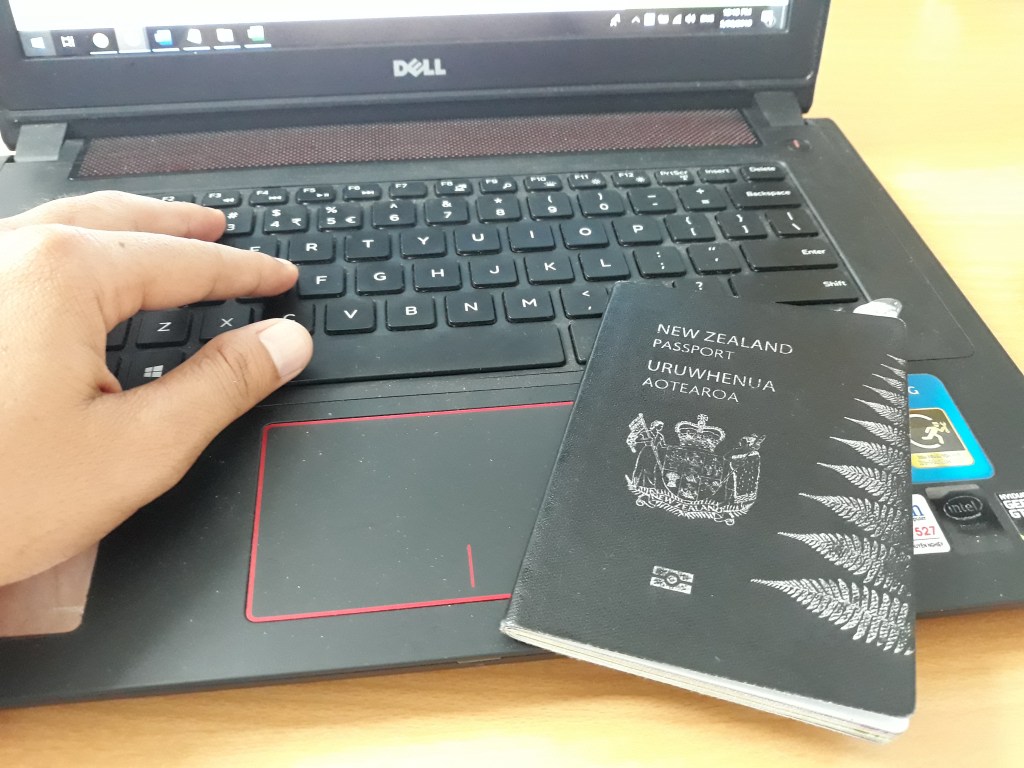
It’s the night before your flight to Vietnam. Your luggage is packed, your hotel reservation is confirmed, and you’ve already imagined yourself exploring the streets of Hanoi or relaxing on the beaches of Da Nang. Then, while reviewing your travel documents, you realize something is missing—your Vietnam visa hasn’t been approved yet, or worse, you never applied for one. If this sounds familiar, you’re not alone. Every year, many New Zealand travellers find themselves in exactly the same situation. While it can be stressful, it doesn’t always mean your trip is over. Acting quickly, understanding your options, and avoiding common mistakes can make a significant difference. This guide explains what New Zealand passport holders should do if they are running out of time to obtain a Vietnam visa before departure.
First Things First: Don’t Panic
Finding out that your Vietnam visa isn’t ready just before departure can be overwhelming, but making rushed decisions often creates more problems than it solves.
Many travellers immediately submit a second application, change information in their original application, or assume they will be able to sort everything out after arriving at the airport. Unfortunately, these actions rarely improve the situation and may even create additional complications.
Instead, take a few minutes to understand exactly where your application stands. Have you already submitted an application? Is it still under review? Did you receive an email requesting additional information? Or have you simply forgotten to apply altogether?
Once you know your current situation, you’ll be able to choose the most appropriate next step instead of wasting valuable time.

Why Does This Happen So Often to New Zealand Travellers?
Running out of time to obtain a Vietnam visa is far more common than most people expect. In many cases, it has little to do with carelessness and more to do with how modern travel is planned.
Many New Zealanders book international holidays at relatively short notice, especially when taking advantage of airline sales or planning spontaneous getaways during school holidays or long weekends. Visa applications often become an afterthought, particularly when flights and accommodation are booked first.
Another reason is confusion about Vietnam’s entry requirements. Some travellers assume Vietnam offers visa-free entry to New Zealand passport holders, while others believe they can simply arrange everything after landing. These misunderstandings frequently lead to unnecessary last-minute stress.
The popularity of online visa applications also creates unrealistic expectations. Because everything is submitted electronically, many people assume approval will arrive within a few hours. However, submitting an application online does not eliminate the review process. Every application still requires official assessment before a decision is made.
External factors can also influence processing times. Public holidays, weekends, seasonal travel peaks, and increased application volumes may all affect how quickly applications move through the system.
Finally, document errors remain one of the leading causes of delays. Something as simple as entering an incorrect passport number, uploading an unclear passport scan, or submitting a photo that doesn’t meet the required specifications may prevent an application from progressing as expected.
What Should You Do Within the Next 30 Minutes?
If your departure is approaching quickly, the first half hour is critical. Rather than worrying about worst-case scenarios, focus on practical actions that may help move your application forward.
Step 1: Check Your Application Status
If you’ve already applied, log in and confirm the latest status of your application.
Determine whether:
- Your application is still being processed.
- Additional documents have been requested.
- Your visa has already been approved.
- Your application contains any errors that require correction.
Understanding your current status will help you decide whether you should simply wait, provide additional information, or seek professional guidance.
Step 2: Review Every Detail Carefully
Take another close look at the information you submitted.
Pay particular attention to:
- Passport number
- Full legal name
- Date of birth
- Passport expiry date
- Intended arrival date
- Passport scan
- Passport photograph
- Email address used for the application
Many processing delays occur because one small detail doesn’t match the passport exactly.
Step 3: Consider Professional Assistance
If your departure date is only a day or two away and you’re unsure whether your application can still be processed in time, professional support may help you better understand your available options.
With more than 15 years of experience assisting international travellers, VietnamImmigration.com provides document reviews, application guidance, and personalised support for Vietnam visa applications. Their team carefully checks submitted documents, identifies potential issues before they become larger problems, and advises applicants based on their specific circumstances.
For eligible urgent cases, they also offer expedited processing support where available, Fast Track services, and 24/7 customer assistance to help travellers prepare for their journey as efficiently as possible.
Rather than guessing what to do next, obtaining experienced guidance can often save valuable time when every hour matters.

Is It Still Possible to Save Your Trip?
In many situations, yes—but the answer depends entirely on your individual circumstances.
If your application has already been submitted correctly and is simply awaiting review, the best approach may be to monitor its progress while preparing alternative travel plans if necessary.
If you’ve only just discovered that no application has been submitted, your available options will naturally be more limited due to the time required for processing. Nevertheless, acting immediately still gives you a better chance than delaying further.
Should your visa ultimately not be ready before departure, contact your airline as soon as possible to discuss available rebooking or ticket change policies. Many travellers wait until they arrive at the airport before asking about alternatives, which often results in unnecessary stress and additional costs.
Although no one wants to face visa problems just before an overseas trip, staying organised, making informed decisions, and responding quickly can significantly reduce the impact on your travel plans.
How to Give Yourself the Best Chance of a Smooth Visa Approval
While no one can promise exactly when a Vietnam visa will be approved, there are several practical steps New Zealand travellers can take to reduce the likelihood of delays.
Apply As Soon As Your Travel Dates Are Confirmed
One of the biggest mistakes travellers make is treating the visa as the final item on their travel checklist.
In reality, your visa should be one of the very first things you organise after booking your flights. Applying early provides valuable breathing room if corrections, additional documents, or unexpected processing delays occur.
Waiting until the week of departure leaves very little flexibility should anything unexpected happen.
Double-Check Every Piece of Information
Many visa delays are surprisingly avoidable.
Before submitting your application, compare every detail against your passport.
Take time to verify:
- Full name
- Passport number
- Date of birth
- Nationality
- Passport expiry date
- Intended arrival date
Even a small typing mistake can create inconsistencies that require additional review.
Upload High-Quality Documents
The quality of your supporting documents matters just as much as the information you enter.
Your passport scan should be:
- Clear and easy to read
- In full colour
- Free from glare or shadows
- Uncropped
- Showing all four corners of the passport information page
Likewise, your passport photo should comply with the required specifications regarding background, lighting, and image quality.
Poor-quality uploads are one of the most common reasons applications require further attention.
Don’t Submit Multiple Applications
It’s understandable to become anxious if you haven’t received an update.
However, submitting another application usually doesn’t make the original one move faster.
Instead, duplicate submissions may create unnecessary confusion and complicate the review process.
If you’re uncertain about your application’s progress, first confirm its current status before deciding whether any further action is required.
Frequently Asked Questions
Can New Zealand citizens travel to Vietnam without a visa?
Entry requirements depend on the purpose of travel, length of stay, and current immigration policies. Before travelling, always confirm that you have obtained the appropriate travel authorisation required for your trip.
My flight is tomorrow. Is there anything I can still do?
The first priority is determining your current situation. Check whether your application has already been submitted, whether it’s still under review, or whether additional documents have been requested. Acting quickly gives you more options than waiting until you arrive at the airport.
Can I request urgent Vietnam visa assistance?
Depending on your circumstances, some urgent applications may qualify for expedited support. Availability varies according to the application details and processing options available at the time.
What happens if my visa hasn’t been approved before my departure?
If your travel authorisation is not ready before your scheduled flight, you should contact your airline as early as possible to discuss available rebooking or ticket change options while continuing to monitor your visa application.
Will submitting another application make the process faster?
In most cases, no. Unless you’ve confirmed that your original application cannot proceed, submitting duplicate applications is generally not recommended and may unnecessarily complicate the review process.
Why is my application taking longer than expected?
Several factors may contribute to longer processing times, including incomplete documentation, incorrect information, high application volumes, weekends, public holidays, or additional verification requirements.
How can I avoid last-minute visa problems in the future?
The simplest solution is planning ahead. Apply shortly after confirming your travel dates, prepare all supporting documents carefully, and allow sufficient time before departure in case additional processing is required.
Final Thoughts
Discovering that your Vietnam visa may not be ready just before departure can be stressful, but it doesn’t automatically mean your trip has to be cancelled. Staying calm, understanding your application status, and responding promptly often gives you the best opportunity to minimise disruptions.
If your departure date is fast approaching and you’re unsure what to do next, professional guidance can help you better understand your available options. VietnamImmigration.com has assisted international travellers for more than 15 years by reviewing application documents, providing personalised advice, supporting eligible urgent cases, and offering Fast Track services where applicable. Their experienced team is available around the clock to help travellers prepare with greater confidence before flying to Vietnam.
Whether you’re travelling for a holiday, business meetings, or to visit family and friends, careful planning remains the most reliable way to avoid last-minute visa issues. Applying early, checking every document thoroughly, and seeking assistance when necessary can help ensure your journey begins on the right foot.


You must be logged in to post a comment.