
Your flight to Vietnam is in just a few days. You’ve booked hotels in Hanoi, a cruise in Ha Long Bay, maybe even a food tour in Ho Chi Minh City. Everything is ready — except your visa. You log into the system to check the status of your Vietnam e-visa… and it still says “Processing.” Then you receive a notice: your photo does not meet requirements. Suddenly, panic sets in. Should you wait? Should you reapply? Will you miss your flight?
This situation is more common than you think. A simple photo mistake — wrong background, shadow on the face, incorrect passport scan — can delay your Vietnam e-visa approval for days. And when time is short, every hour feels critical. The good news? There is a solution. In this emergency guide, you’ll learn exactly why your Vietnam e-visa application is delayed due to photo issues, what you must do immediately, and how to secure approval fast — even within 2–8 hours if necessary.
Why Your Vietnam E-Visa Is Delayed Because of Photo Issues
Vietnam’s e-visa system is automated and highly sensitive to image compliance. When you upload your portrait photo and passport bio page, the system uses AI screening tools to detect errors. Even if the photo looks “acceptable” to you, the system may flag small technical details that cause delays.
One of the most common reasons for delay is improper background. The requirement is strict: plain white background, no shadows, no patterns, no texture. A light cream wall or slight gray tone can be automatically rejected. Another frequent issue is lighting — shadows under the chin, glare on glasses, overexposed forehead, or low resolution can all trigger review.
Passport scans are another major cause. Cropped edges, glare from flash, blurred text, or missing ICAO lines can result in pending status. When this happens, your application may not be outright rejected — instead, it remains in processing while waiting for manual review. That review can take several additional business days.
If your status remains unchanged beyond the normal timeframe (typically 3–5 working days), photo issues are often the hidden reason.
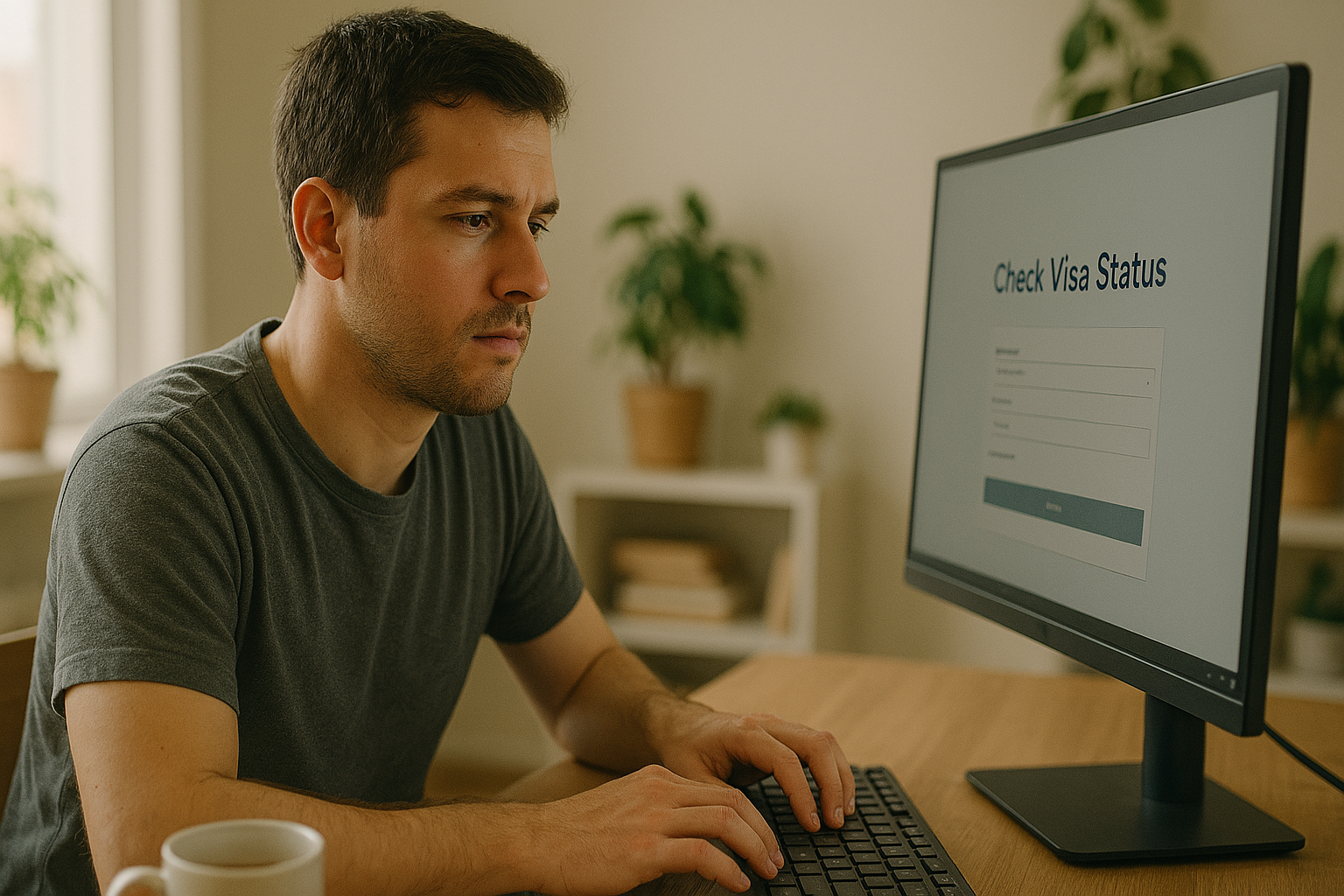
The 7 Most Common Photo Mistakes That Cause Vietnam E-Visa Delays
Understanding the exact errors helps you act correctly and avoid repeating them.
First, background not purely white. Even subtle shadows behind your head can cause system rejection. The safest approach is to use professional lighting or digital background correction done properly.
Second, uneven lighting. If one side of your face appears darker, the system may detect facial asymmetry and flag the image.
Third, wearing glasses. Reflections, tinted lenses, or even clear lenses can interfere with facial recognition. It’s strongly recommended to remove glasses entirely.
Fourth, low resolution or compression. Many applicants upload photos resized by messaging apps, which degrade image quality. Always upload the original high-resolution file.
Fifth, incorrect file format or size. Vietnam e-visa requires specific file limits. Oversized files or unsupported formats may not process correctly.
Sixth, passport bio page cropped or blurred. All four corners must be visible. No glare. No finger covering edges.
Seventh, mismatch between portrait and passport photo. If your appearance has significantly changed (hair, facial hair, glasses), the system may flag it for review.
Even one of these small issues can delay approval significantly.
What To Do Immediately If Your Flight Is In 3–5 Days
If you are traveling soon, timing is everything. Here’s what you should do step by step.
First, check your email carefully. Sometimes immigration sends a correction request. If they ask for resubmission, follow instructions precisely and upload corrected images immediately.
Second, calculate your remaining business days. Vietnam immigration processes applications on working days only. Weekends and public holidays do not count. If you are within 72 hours of departure, waiting may not be safe.
Third, avoid blindly submitting a brand-new application unless you are certain the original cannot be corrected. Multiple applications can create confusion in the system.
Fourth, if your travel date is extremely close, consider professional emergency processing support. In urgent situations, having experts verify your photo, correct formatting errors, and liaise with the authorities can dramatically shorten processing time.
The biggest mistake travelers make is waiting too long, hoping the visa will be approved “tomorrow.” When departure is near, proactive action is safer than passive waiting.
The Fastest Way To Get Your Vietnam E-Visa Approved Within 2–8 Hours
When time is critical, expert intervention can make the difference between boarding your flight or missing your trip.
At VietnamImmigration.com, we specialize in urgent Vietnam visa solutions, especially cases delayed due to photo errors. With over 15 years of experience in Vietnam visa processing, our professional team manually verifies your portrait and passport images before resubmission to ensure full compliance with immigration standards.
Here is how we help:
- Immediate photo compliance check by visa experts
- Professional correction guidance to meet official requirements
- Fast-track processing within 2–8 working hours (depending on case)
- 24/7 support for urgent travelers
- 100% money-back guarantee policy for peace of mind
Unlike automated systems, our team reviews every detail carefully — lighting, resolution, background purity, passport clarity — before submitting. This dramatically reduces the risk of further delay.
For travelers facing imminent departure, this is often the safest and most reliable solution.
Should You Submit A New Application Or Correct The Existing One?
This is one of the most common questions.
If immigration has requested a correction, you should update the existing application as instructed. Submitting a new one prematurely may cause duplicate records and longer processing.
However, if your application has been stuck without update and departure is very close, re-filing through an expedited channel may be the more strategic move.
Each case is different. The key factors include:
- Remaining time before departure
- Whether correction was officially requested
- Current processing workload
- Nationality-specific review times
Making the wrong decision can cost you both time and money. When uncertain, professional assessment helps you choose the safest route.
Final Thoughts: Don’t Let a Small Photo Error Ruin Your Trip
A delayed Vietnam e-visa application due to photo issues is stressful — especially when your departure date is approaching. But in most cases, the problem is fixable. The key is acting quickly, correcting the issue properly, and not leaving approval to chance.
If your trip is important, your visa should not be a gamble. Take action early, verify your documents carefully, and if necessary, use a trusted urgent processing service to secure approval before your flight.
Your journey to Vietnam should begin with excitement — not uncertainty.
 vietnamtravel.id
You must be logged in to post a comment.