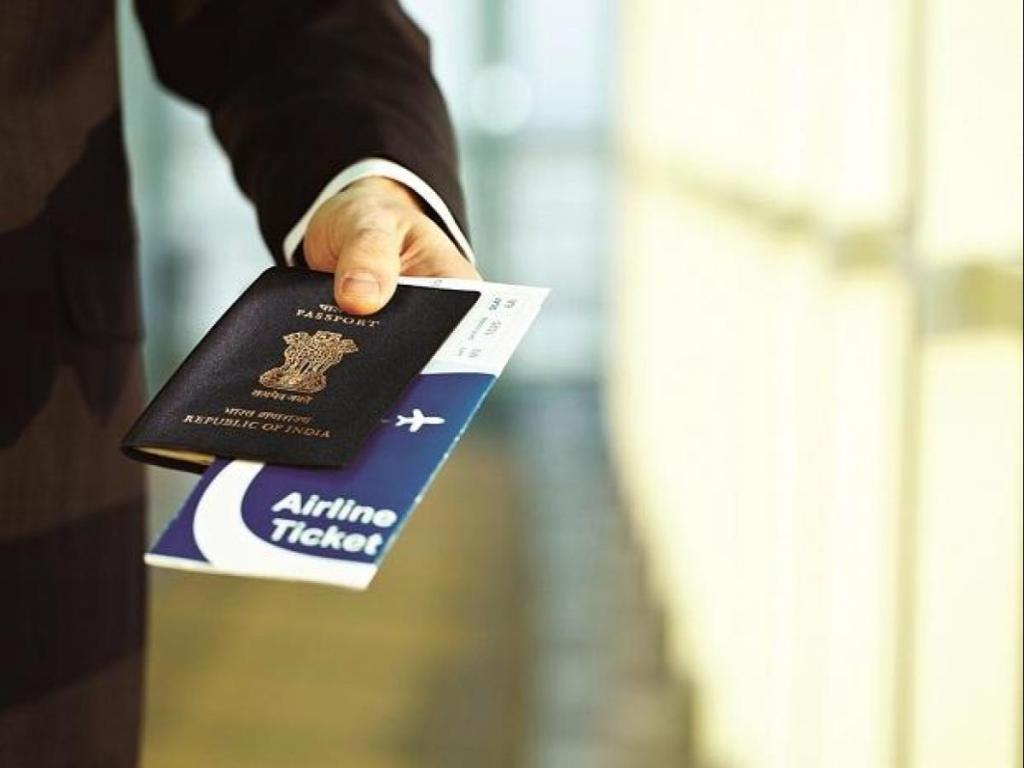
Planning a trip from India to Vietnam in 2025? Whether you’re heading for a beach holiday, a business trip, or to explore Vietnam’s unique culture, getting your visa is now easier than ever. Thanks to Vietnam’s electronic visa (E-visa) system, Indian travellers can apply online in a matter of minutes. This guide will walk you through everything you need to know—from eligibility to application to approval—so you can travel with confidence.
What is a Vietnam E-Visa and Why Indian Travellers Should Use It?
The Vietnam E-visa is an official online visa issued by the Immigration Department of Vietnam. It allows citizens of certain countries, including India, to apply for their visa remotely without the need to visit an embassy or consulate. For Indian travellers who often face tedious visa application processes for international travel, this is a welcome relief.
With an E-visa, you can stay in Vietnam for up to 90 days, and you can choose either a single-entry or multiple-entry option based on your travel plans. Whether you’re visiting for tourism, a short business trip, or to attend a conference, this visa meets a wide range of travel needs.
It’s a time-saving, paperless solution that offers both convenience and transparency. Once approved, your visa is delivered to your email in PDF format. All you need to do is print it and present it at immigration when you arrive in Vietnam.
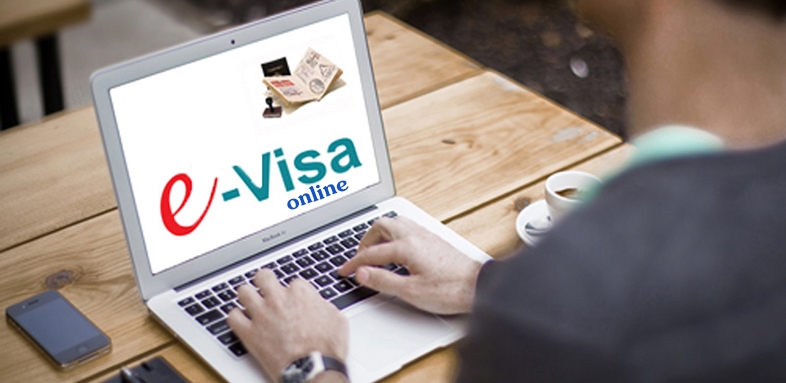
Can Indian Passport Holders Apply for the Vietnam E-Visa?
Yes, Indian passport holders are fully eligible for the Vietnam E-visa program. In fact, more and more Indian tourists are using this digital visa to enter Vietnam due to its simplicity and efficiency. The process is straightforward and does not require any physical paperwork.
Your E-visa is valid at several international airports in Vietnam, including Tan Son Nhat in Ho Chi Minh City, Noi Bai in Hanoi, Da Nang International Airport, and Cam Ranh Airport in Nha Trang. You can also enter through designated land borders like Moc Bai, Lao Bao, and Ha Tien, or via sea ports such as Hai Phong, Ha Long, and Ho Chi Minh Port.
Keep in mind that when applying, you must select your entry and exit points in advance, and you’ll need to stick to those choices once your visa is issued. If you change your plans after applying, you will have to reapply for a new visa.
How to Apply for a Vietnam E-Visa from India: Simple and Straightforward
- Access the Vietnam E-Visa Portal
Go to Vietnam Immigration’s application page, a trusted site with an easy-to-navigate English interface. The platform is designed to serve international travellers, including applicants from India. - Fill Out the Application Form
Enter your personal information, passport details, travel dates, and intended ports of entry and exit. Accuracy matters—double-check everything to make sure it matches your official documents. - Upload the Required Files
You’ll need a scanned copy of your passport’s information page and a recent digital passport photo (with a white background). Both files must be clear, well-lit, and in the correct format. - Make Payment and Choose Processing Speed
Visa fees depend on the type of entry (single or multiple) and how quickly you need your visa. Standard processing takes about 3 business days, while express processing is available in as little as 4 working hours. - Download and Print Your E-Visa
Once your application is approved, your E-visa will be emailed to you as a PDF file. Print a hard copy and keep it with your travel documents for immigration checks upon arrival.
Documents Needed and Common Mistakes to Avoid
To successfully complete your application, you’ll need:
- A valid Indian passport (must be valid for at least 6 months from your entry date)
- A recent, white-background passport-size photo in JPEG format
- A clear scan of the passport information page
Some frequent mistakes Indian applicants make include uploading low-resolution images, entering incorrect passport numbers, or selecting non-approved ports of entry. These errors can lead to processing delays or visa rejection.
To avoid issues, many Indian travellers prefer to use reliable visa services such as Vietnam Immigration, where professionals will check your documents and ensure your application is correctly submitted.
FAQs: Indian Travellers and the Vietnam E-Visa
Can I use the E-visa for tourism or business purposes?
Yes, the E-visa is valid for tourism, business meetings, family visits, and other short stays.
Is a multiple-entry visa available to Indian citizens?
Yes, Indian applicants can choose either a single-entry or multiple-entry visa, depending on their needs.
How far in advance should I apply?
It’s best to apply at least one week before your trip. If you’re travelling during public holidays or peak seasons, apply earlier.
Can I extend my E-visa while I’m in Vietnam?
No, E-visas cannot be extended while in Vietnam. If you wish to stay longer, you’ll need to exit and reapply.
Can I enter through a land or sea border using my E-visa?
Yes, but only through the border points listed as eligible during the application process.
Do I need a visa approval letter?
No, the E-visa is a complete visa and doesn’t require any additional approval letters.

Final Thoughts
For Indian nationals, Vietnam’s E-visa system is a game-changer. It’s affordable, efficient, and designed with modern travellers in mind. By following a few simple steps and preparing the right documents, you can secure your visa without stress. And if you want added peace of mind, consider using Vietnam Immigration—they’ll make sure your application is flawless and submitted on time.
 vietnamtravel.id
You must be logged in to post a comment.